
Bound Art book fair
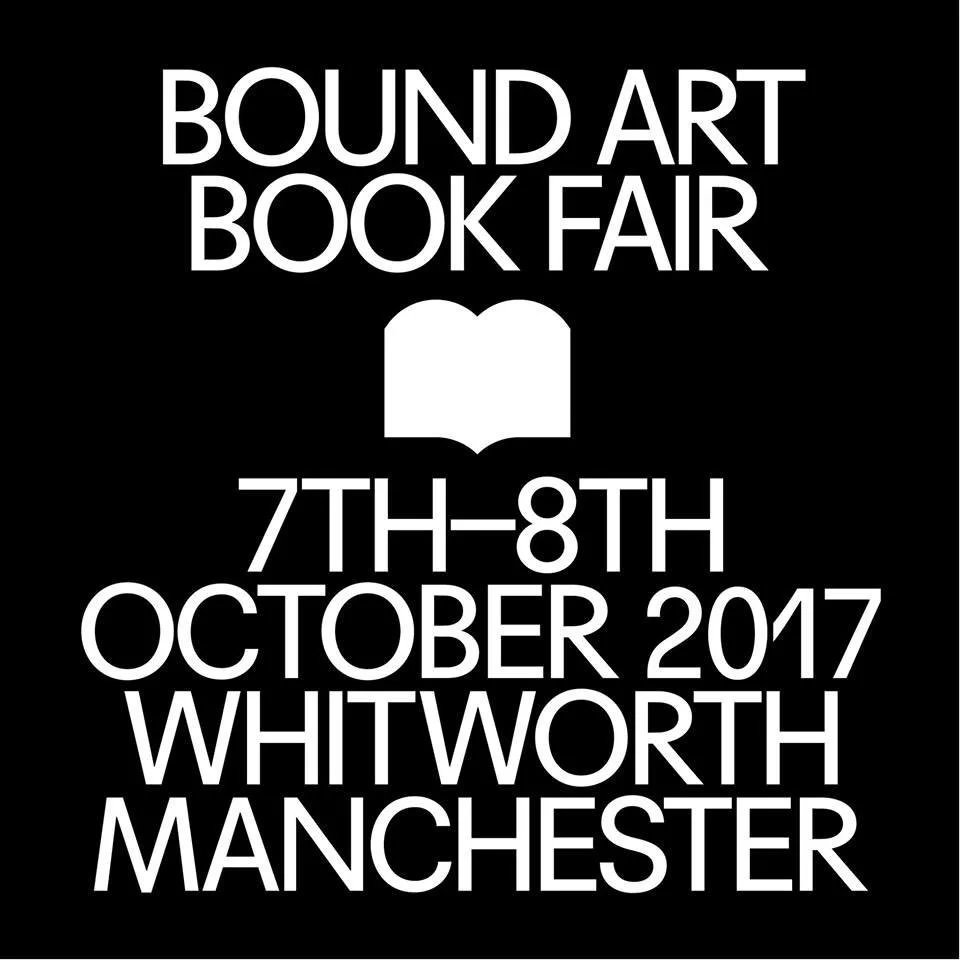
The Modernist will be at the Bound Art book fair at the Whitworth on the 7th and 8th of October. Well have copies of our latest magazine and our new book manchester MODERN.
There will be plenty of other art, design and photography publishers there from across GB and Europe.
So.. come along and see.
Adventures In the Land of Modernism
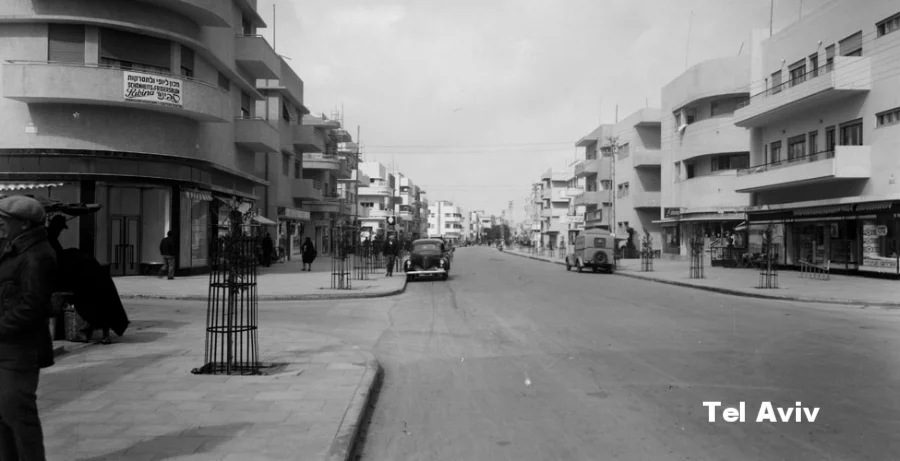
Modernism knows no borders. Modernists all speak the same language.
With this in mind The Modernist magazine is publishing a new publication shining a light on enclaves of Modernist architecture across the planet.
A travel guide for intrepid Modernists who want to seek out the beautiful and the obscure.
Have you travelled to somewhere with lots of interesting Modernist architecture and would be willing to write a concise and personal guide for others to be inspired by?
We would like to hear from you. We are looking for places, suburbs or even whole cities rather than individual buildings.
We especially welcome the more obscure and unobvious destinations - we would prefer Basel over Berlin, Le Havre over LA or Chandigarh over Chicago.
Have you been to Asmara or Hilversum, Brno or La Grande Motte?
If so - check your baggage, have your boarding cards ready and get in touch.
We would like between 1000 -2000 words, written from personal experience, sharing your on-the-ground tips, hidden gems and 'must sees'.
High quality photographs or photo-stories of relevant sights would also be greatly appreciated - especially of the quirky and not-in-the-guide-book oddities.
Contact: editor[at]the-modernist-mag.co.uk
A PRINT: An open archive of architecture publications
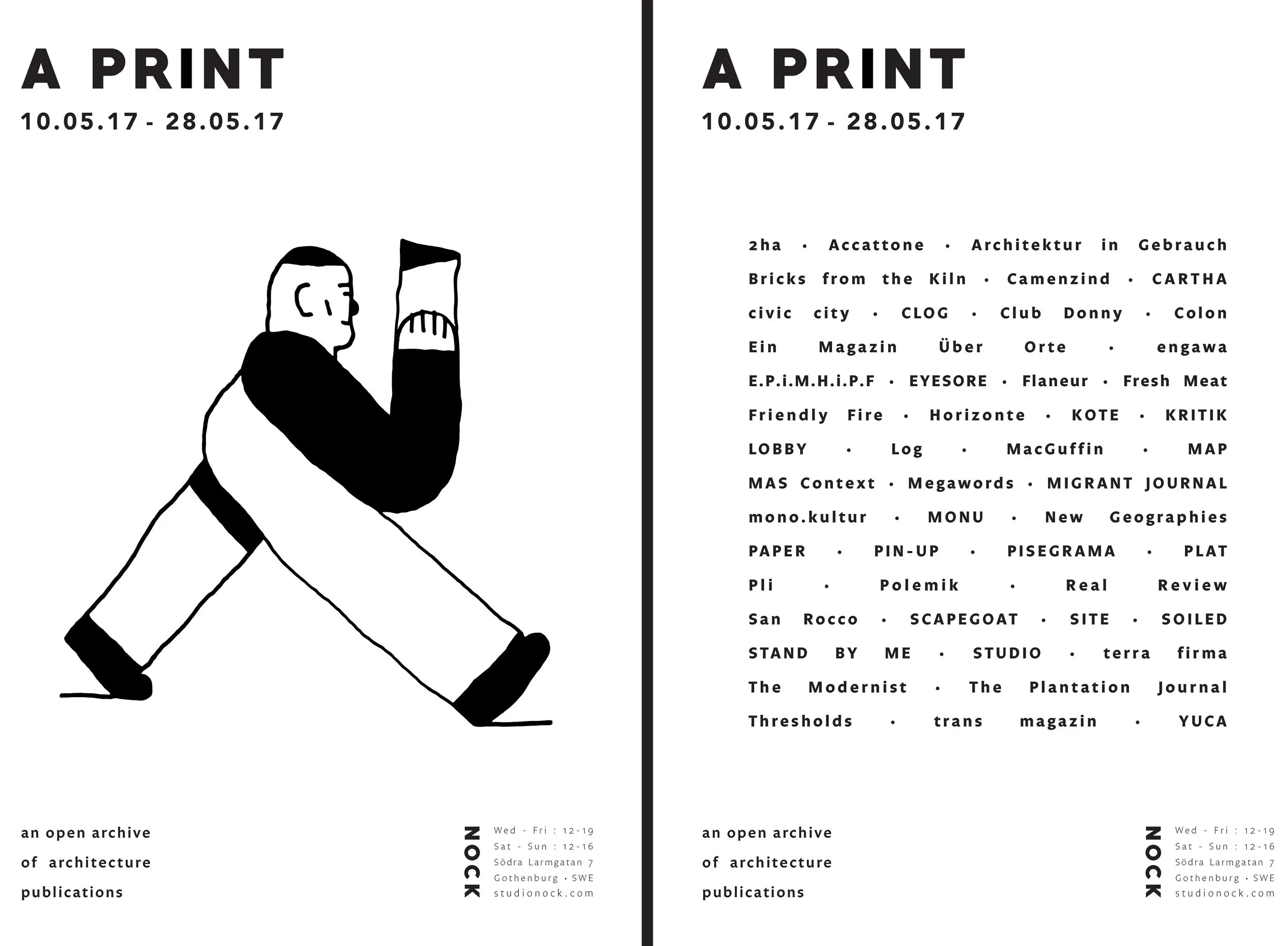
A PRINT
An open archive of architecture publications
EXHIBITION PERIOD: MAY 10 - 28.
OPEN: WEDNESDAY-SUNDAY
**TALKS AND HAPPENINGS, TO BE ANNOUNCED
A PRINT is a collection, an open archive and an exhibition of independent architecture publications and zines. The ambition is to promote and showcase alternative publications for innovative commentary and criticism on architecture.
These publications are an important contribution to the architectural discourse, allowing for independent, mainly non-profit, editors to cover a broader range of topics than what is custom in conventional architectural magazines.
The titles showcased in A PRINT represent more than ten different countries. Some focuses on one single phenomena or person, others are a collection of thoughts on a larger theme. No matter what the subject of the print is they all have something in common, that being that they are striving to bring something new to the discipline.
During three weeks, the exhibition A PRINT can be seen at Södra Larmgatan 7 in Gothenburg. The exhibition space offers an opportunity to sit down and read the following publications:
2ha • Accattone • Architektur in Gebrauch • Bricks from the Kiln • Camenzind • CARTHA • civic city • CLOG • Club Donny • Colon • Ein Magazin Über Orte • engawa • Evil People in Modernist Homes in Popular Films • EYESORE • Flaneur • Fresh Meat • Friendly Fire • Horizonte • KOTE • KRITIK • LOBBY • Log • Mac Guffin Magazine • MAP • Mas Context • Megawords • MIGRANT JOURNAL • mono.kultur • MONU • New Geographies • PAPER • PIN-UP • Pisegrama • PLAT • Pli • Polemik • Real Review• San Rocco • Scapegoat • SITE • SOILED • STAND BY ME • STUDIO • terra firma • The Modernist • The Plantation Journal• Thresholds • trans magazin • YUCA
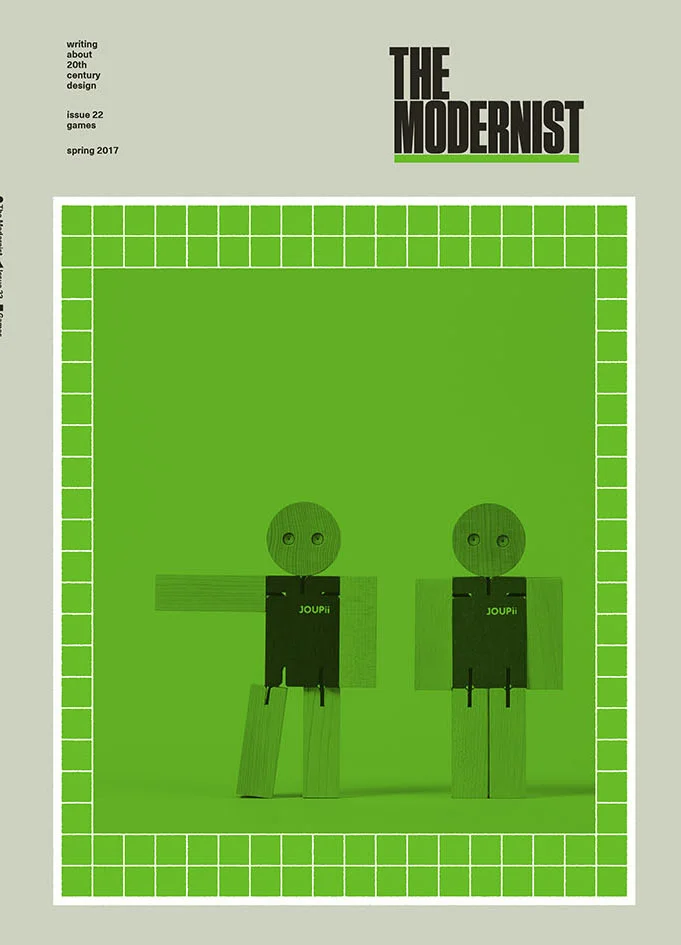
issue 22/ games/ spring 2017
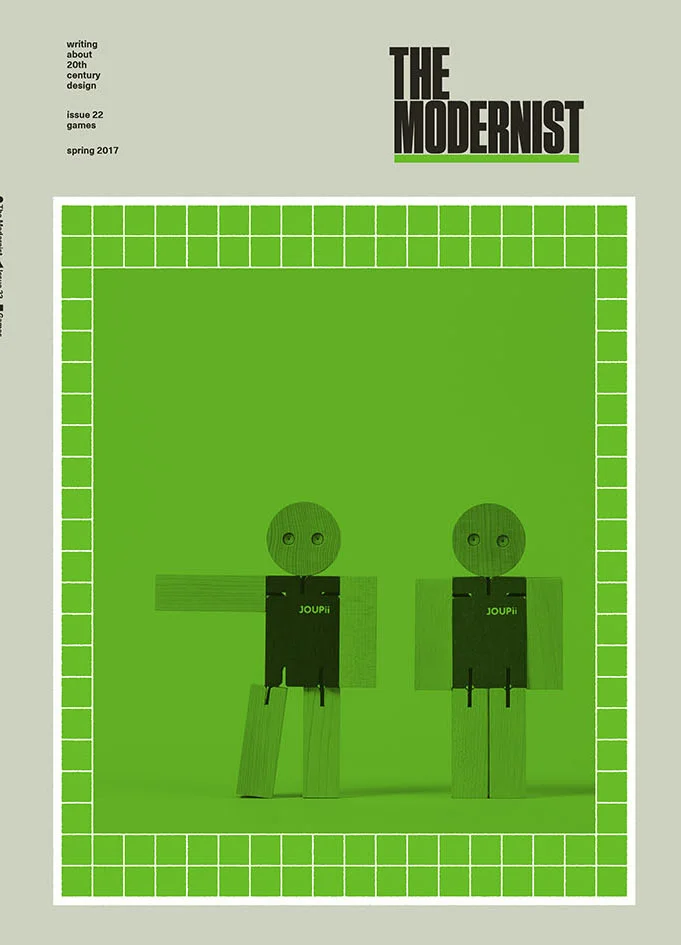
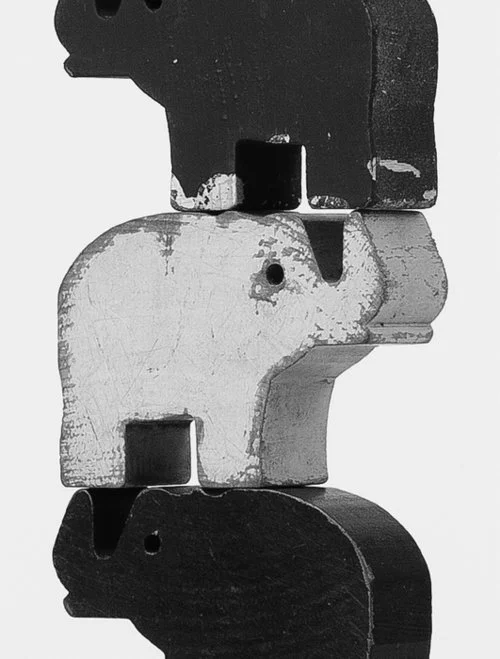
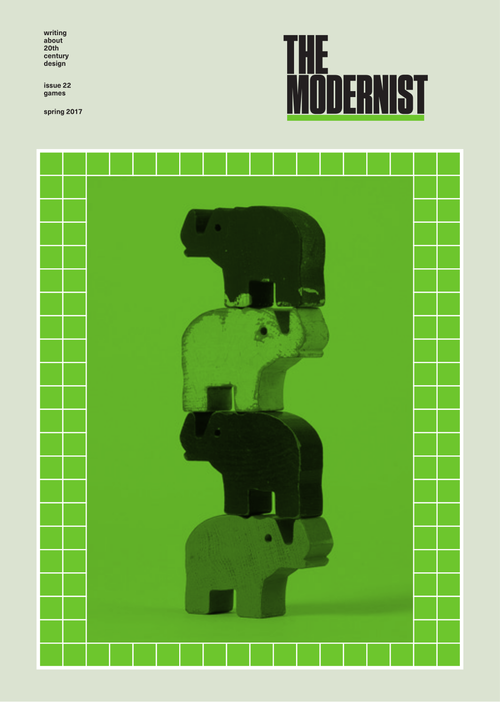
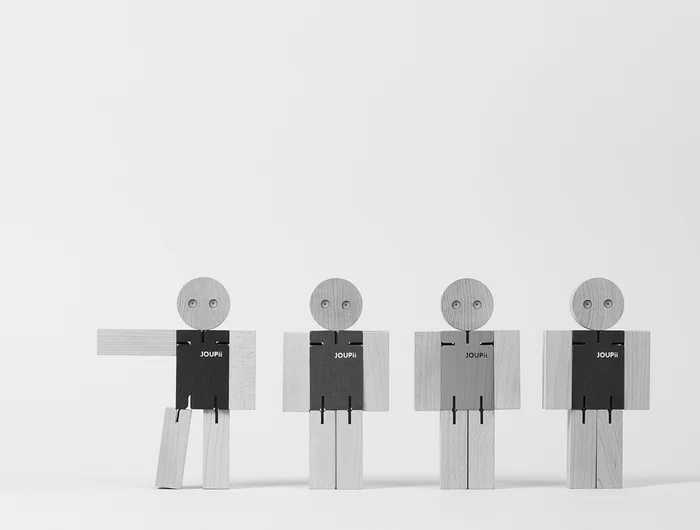
Modernism is a serious business, but that doesn’t mean we can’t take a day off once in a while. Rightly or wrongly, modernism is often criticised for taking itself too seriously and being too earnest. We disagree. This issue demonstrates that you don’t need to abandon your modernist principles in the quest for fun. We take a look at Galt Toys, who made toys and games which, in hindsight, seem too beautiful to be handed over to children. How dare children have all the fun. We look at an infamous film made by Orson Welles, a serious auteur who always had a twinkle in his eye. And we look at the 1936 Olympics, where any sense of fun was squeezed out by the ideology of its hosts. So relax. Roll the dice. Spin the wheel. Pick a card, and play the game.
Play modernist.
Barbara Brown: The Whitworth
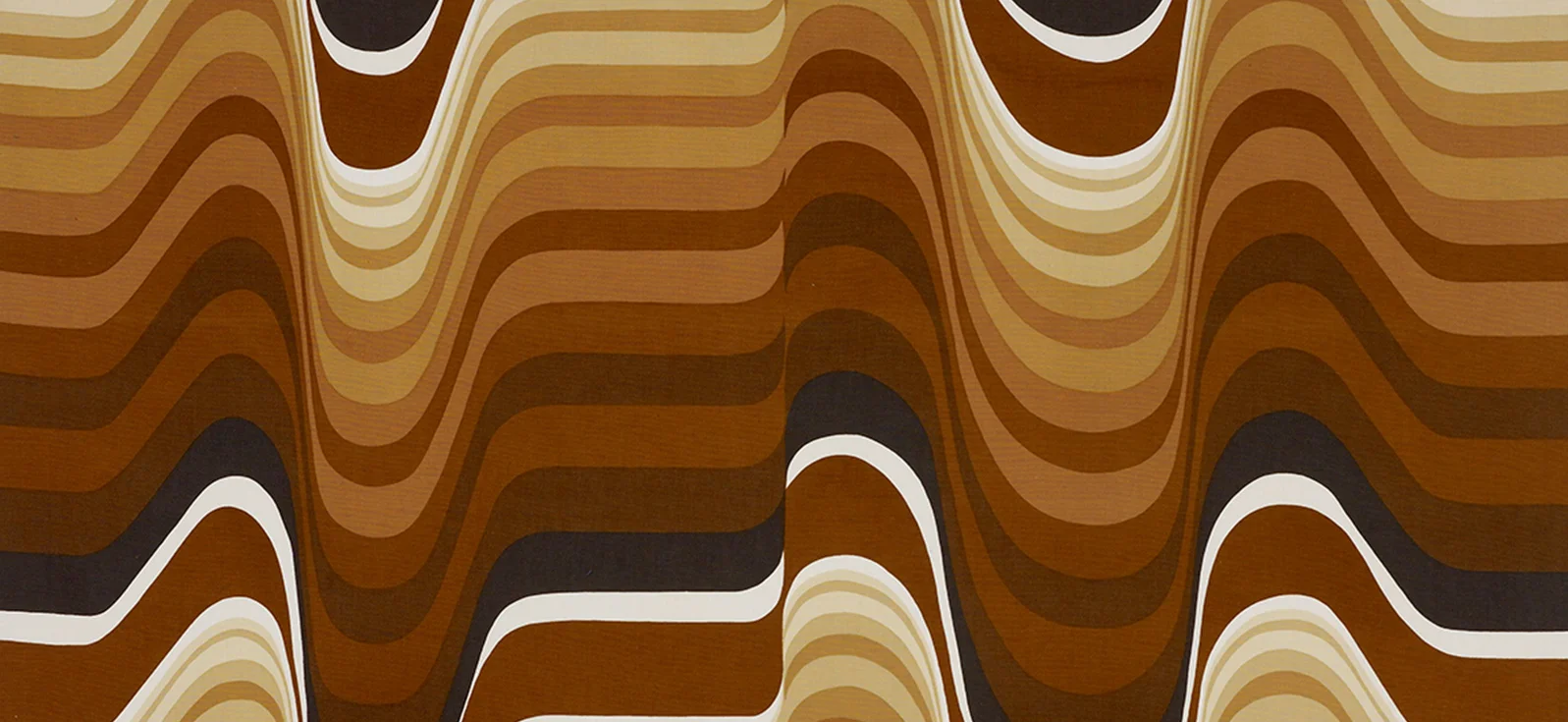
Barbara Brown was the golden girl of Heal Fabrics in the 1960s and early 1970s. Talent-spotted as a student, her designs for furnishing fabrics are some of the most striking and unusual ever produced in the 20th century and won awards from the Council of Industrial Design. This is the first major solo exhibition of her work in the UK.
17 March – December 2017
Image: Barbara Brown, Frequency, Heal Fabrics, 1969
Screen-printed furnishing cotton.
issue 21/ government / winter 2016
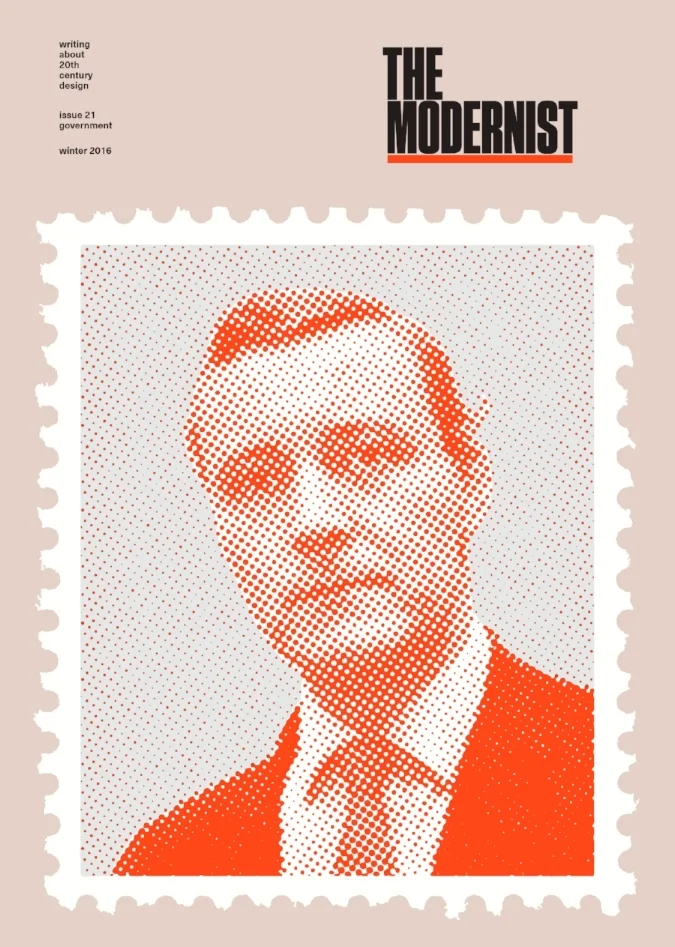
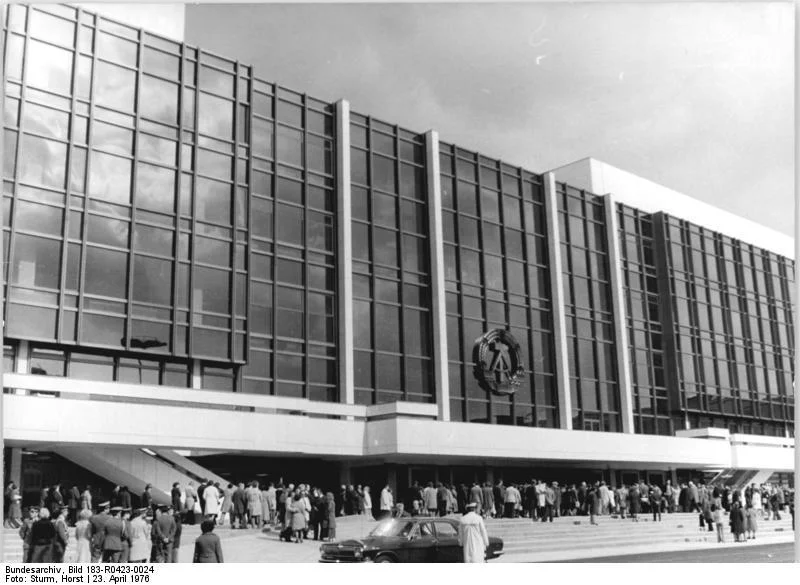
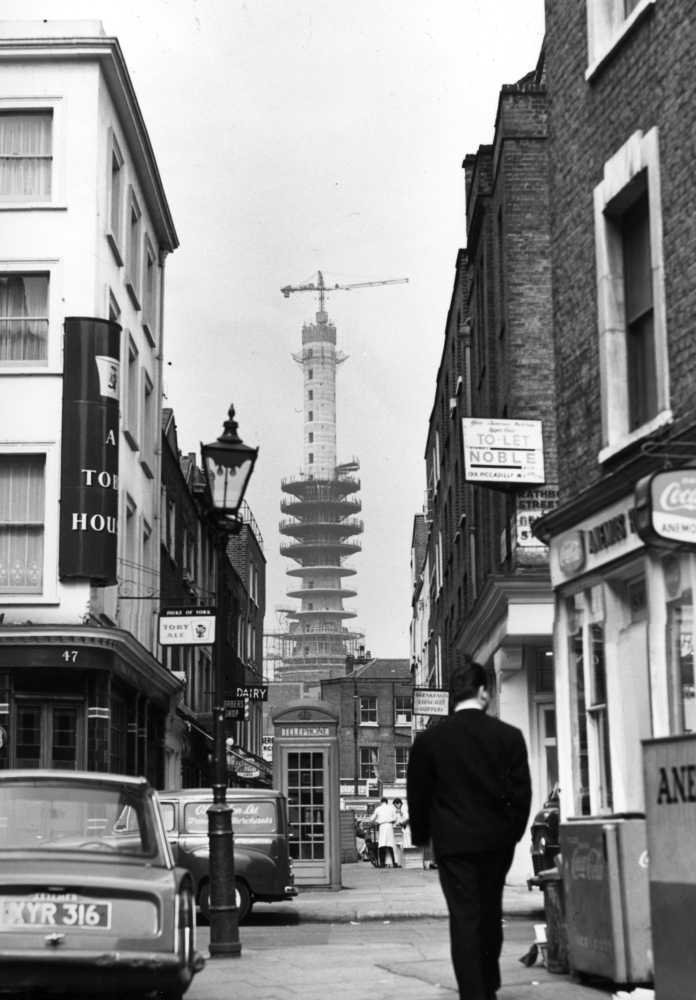
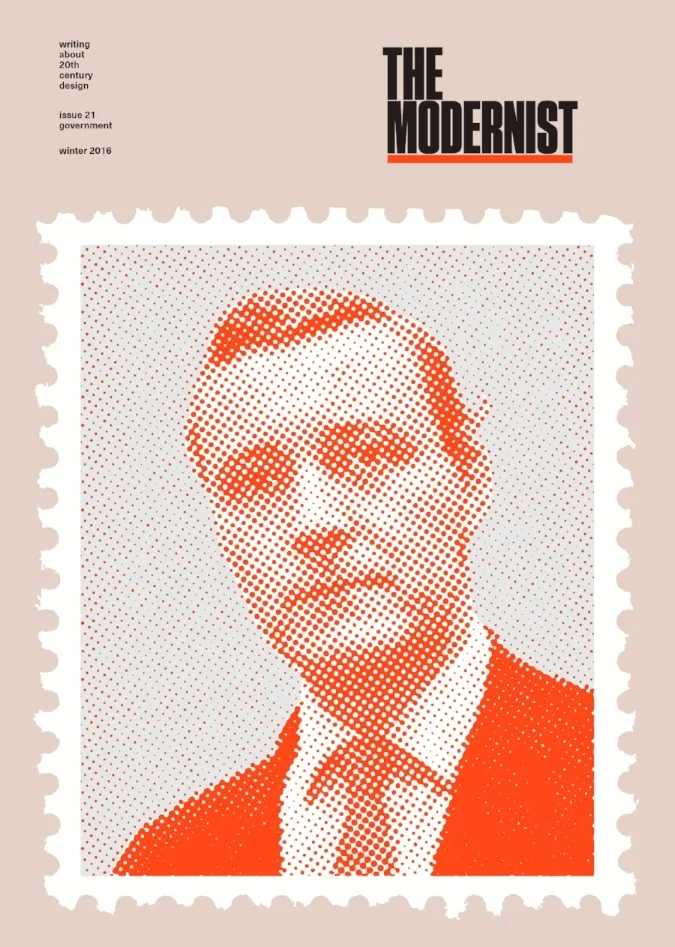
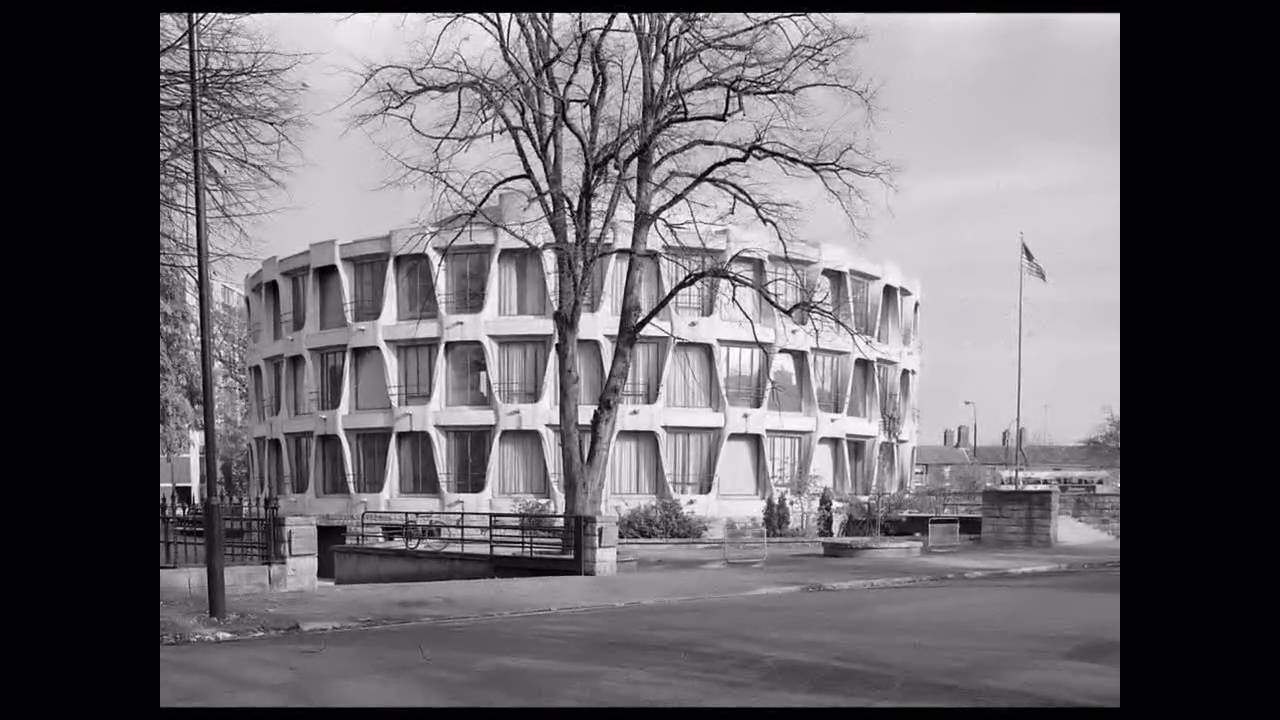
Governments. Can’t live with them, can’t live without them. Democracy is a great idea—until the other guy wins; and surely no one wants to live in anarchy? Unless you are an anarchist. Obviously. At the other extreme a dictator usually comes to a sticky end; so think on if any of you a planning on becoming one. As for us—be you communist or capitalist—we welcome you as long as you are a modernist. In this issue, we have scoured the globe for the products of government. We ponder how to run the country after we have destroyed it. We go on a diplomatic grand tour of the world’s modernist embassies, and we strip off in the name of socialism. A wise man once said ‘everybody wants to rule the world’. Not us though. We are internationalists. We are the brotherhood of man.
Vote modernist.
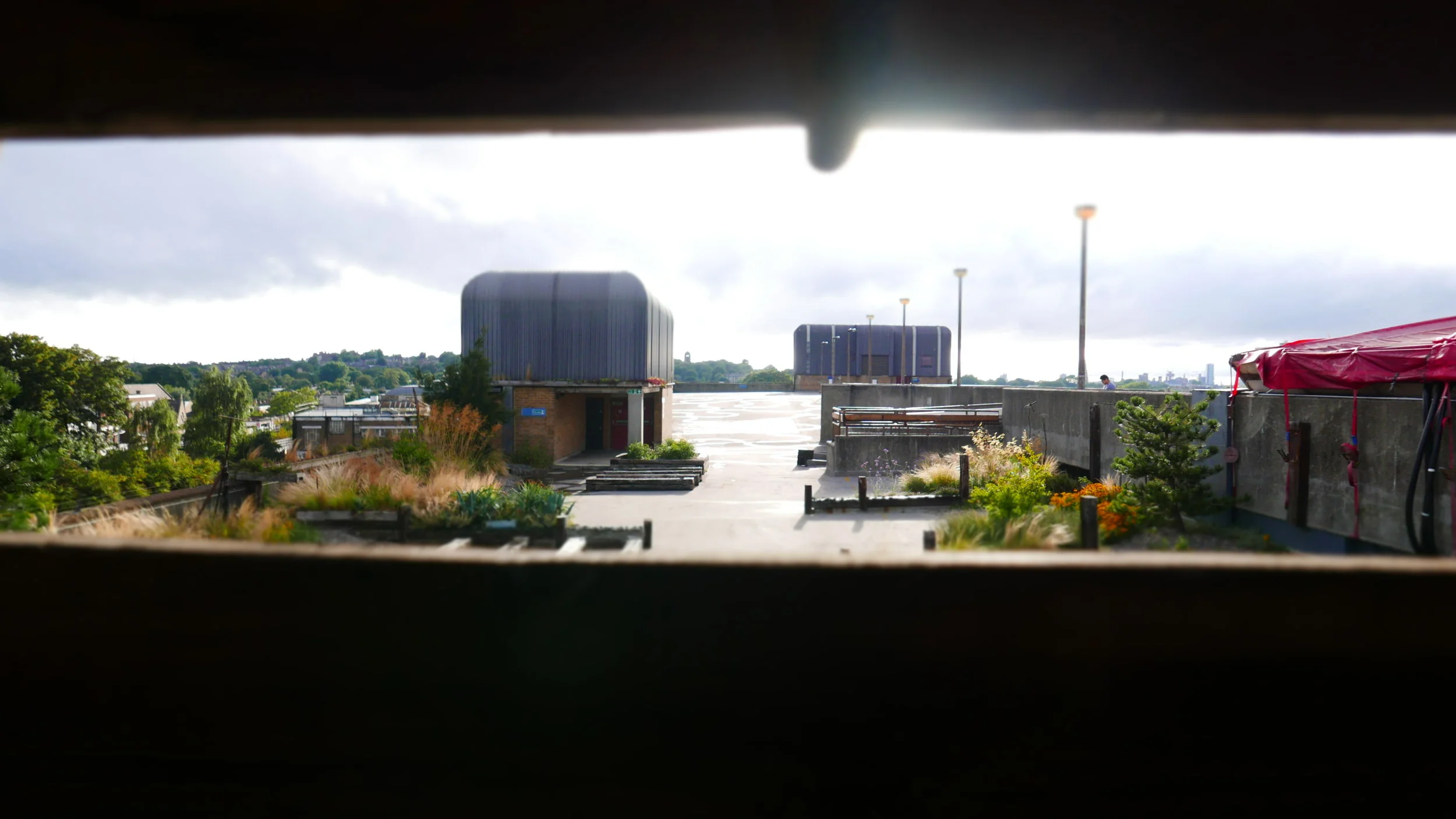
Postcards from a Peckham Car Park
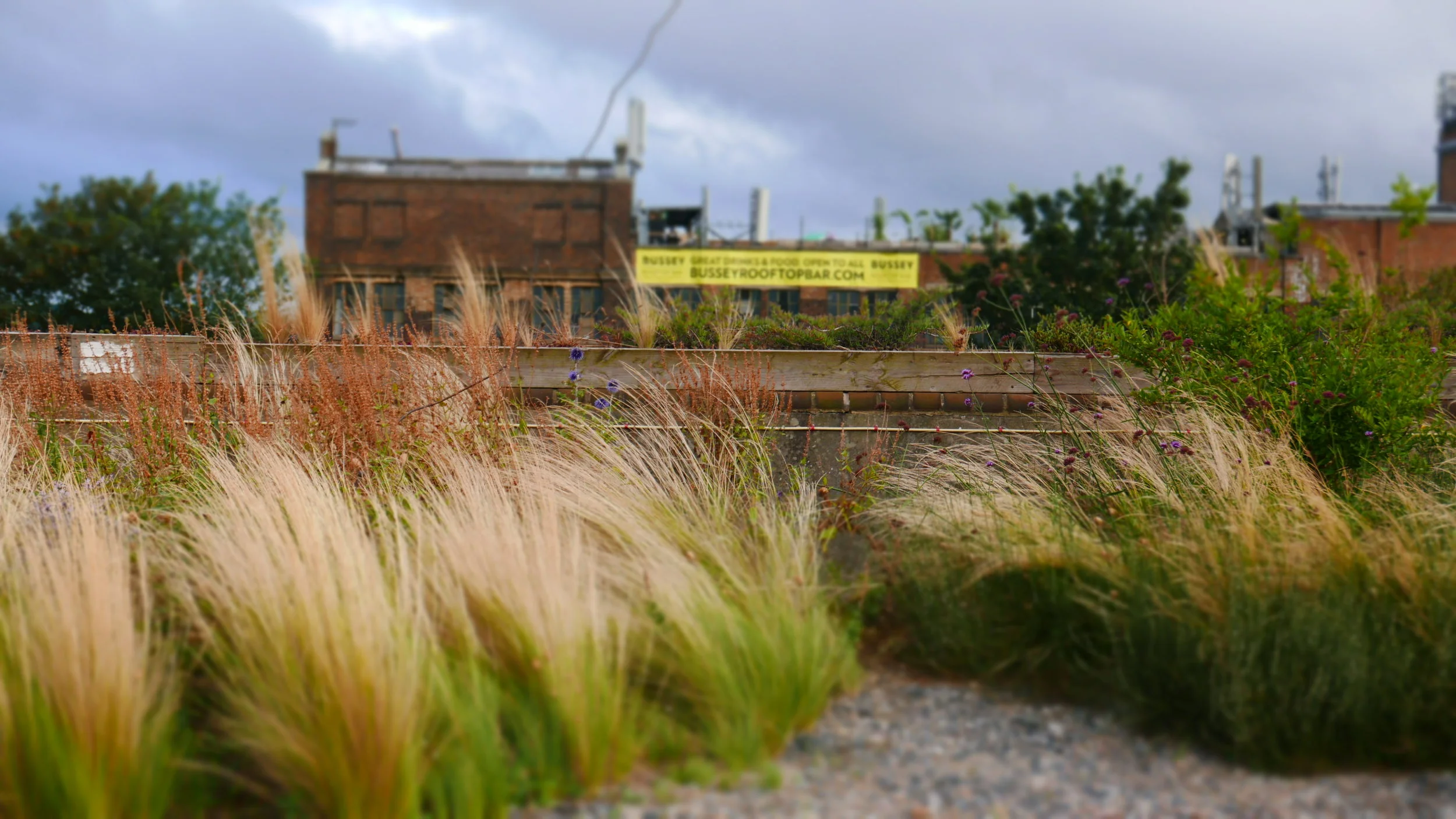
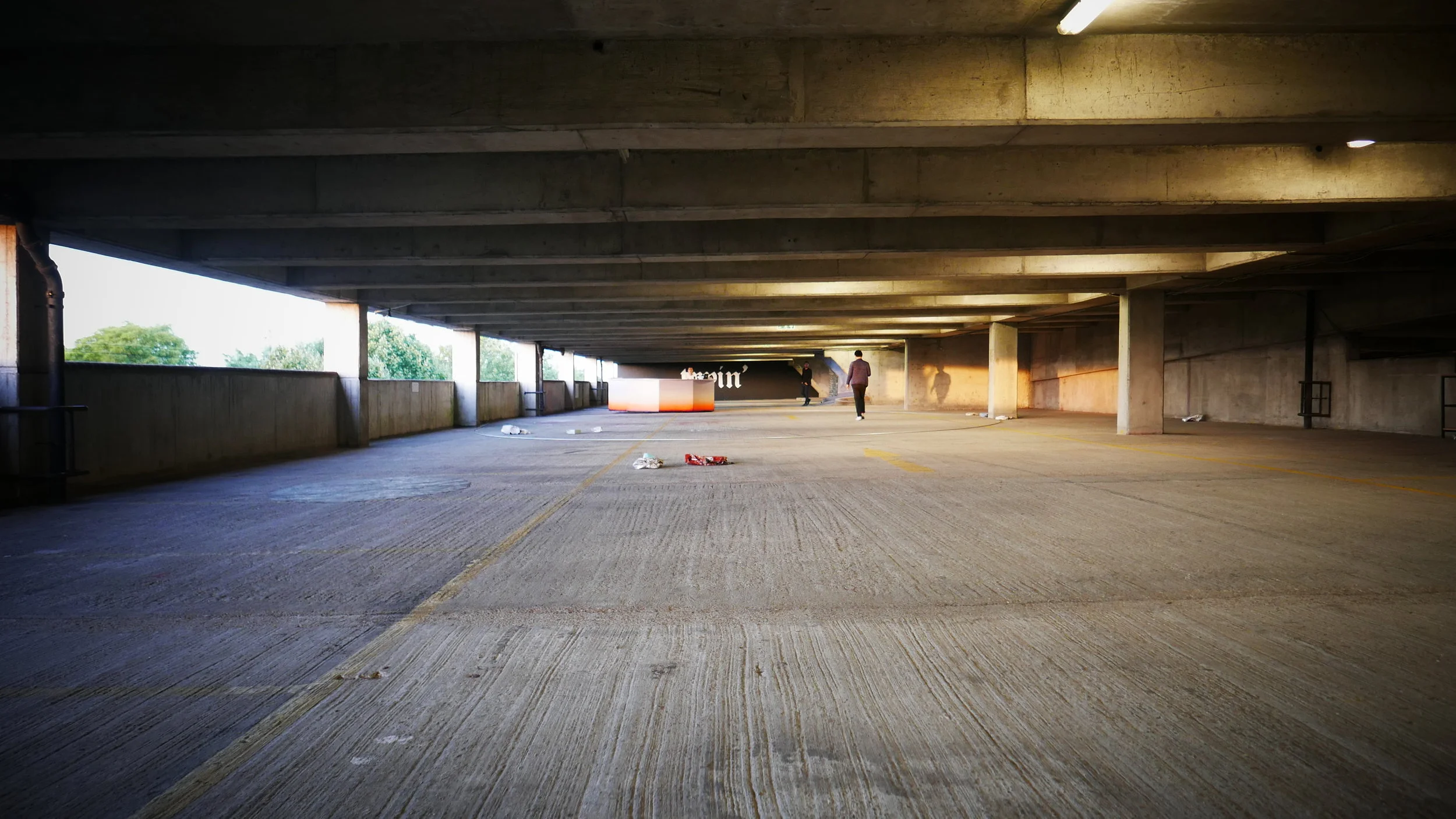
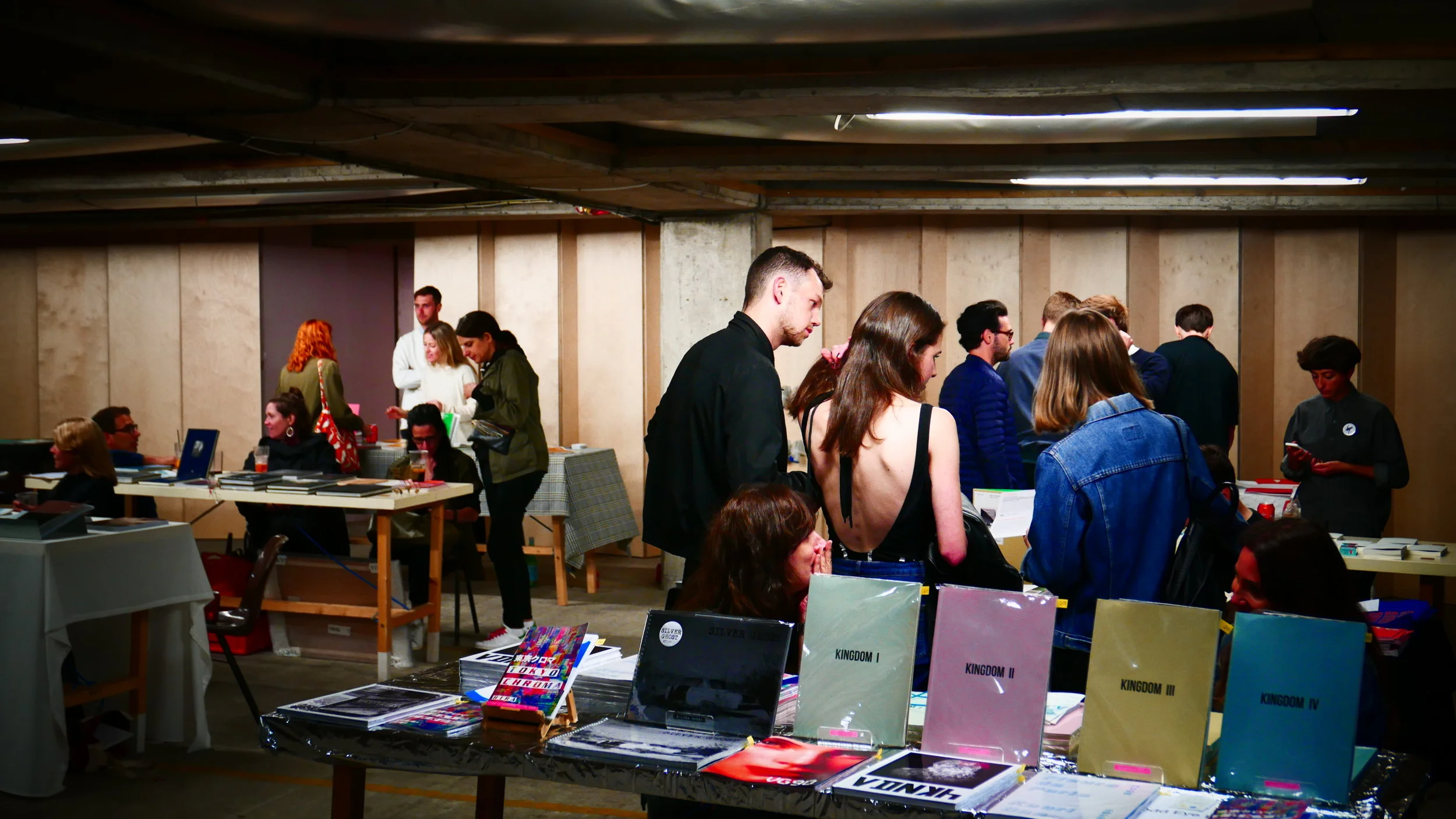
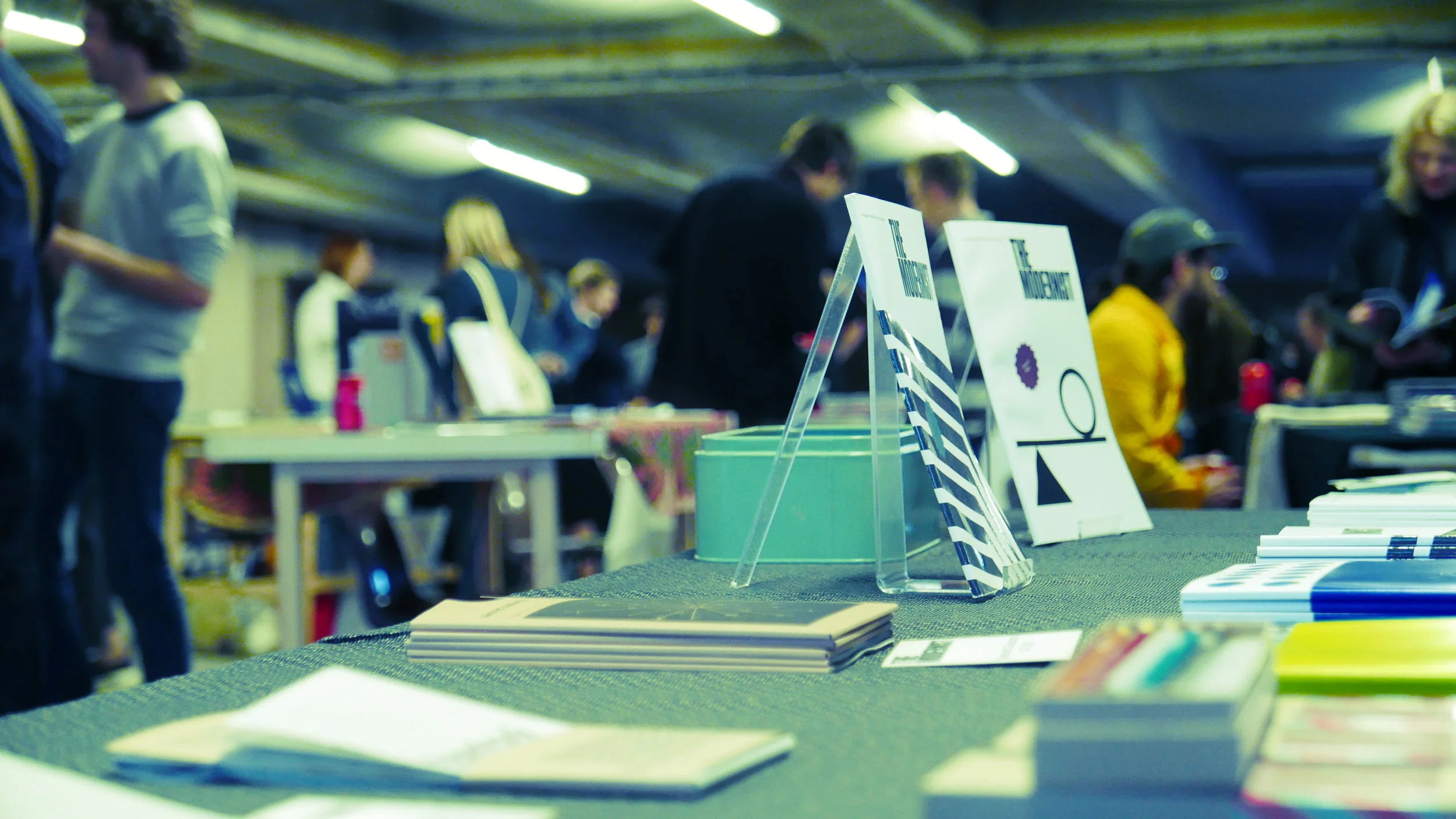
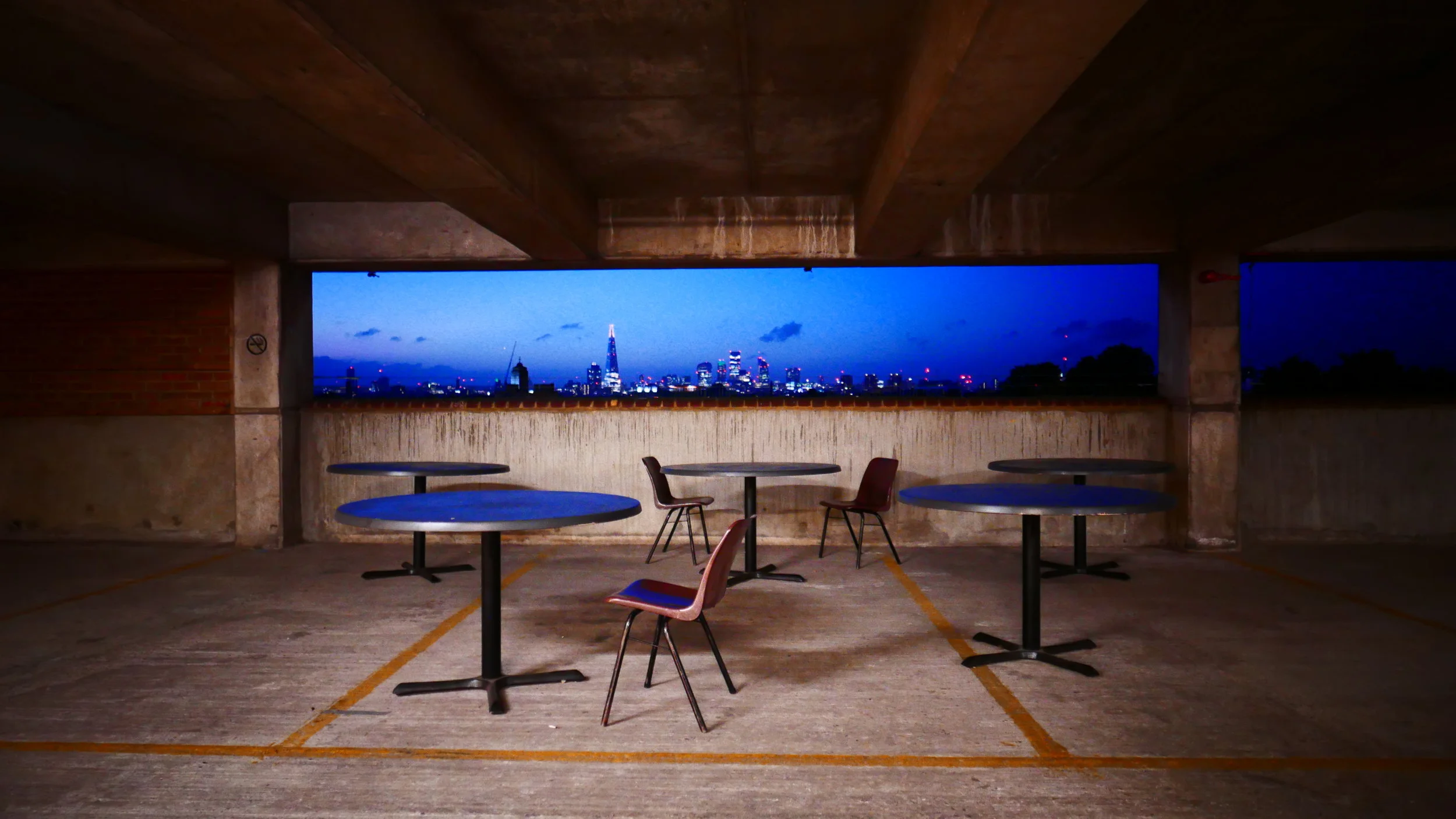
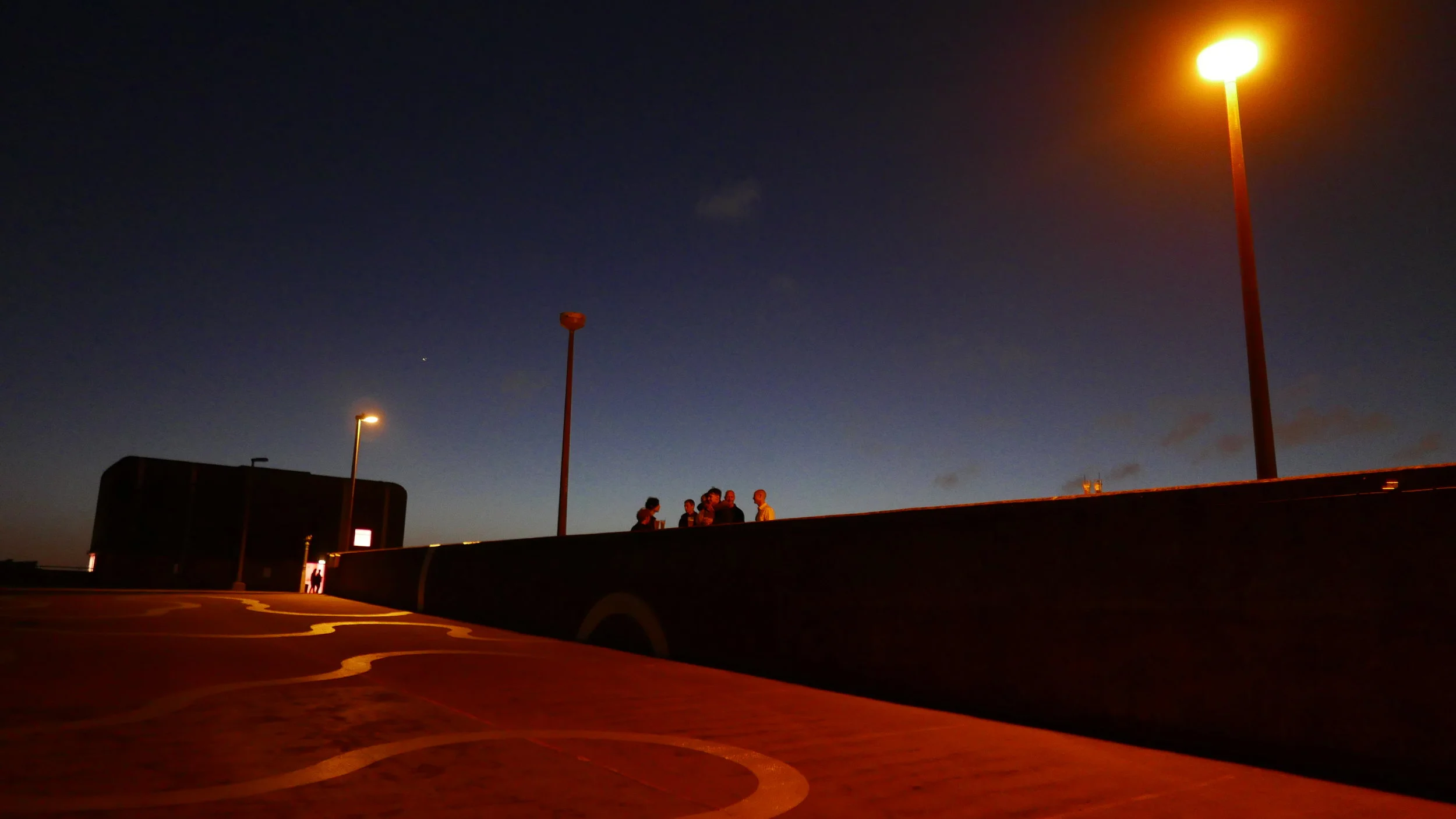
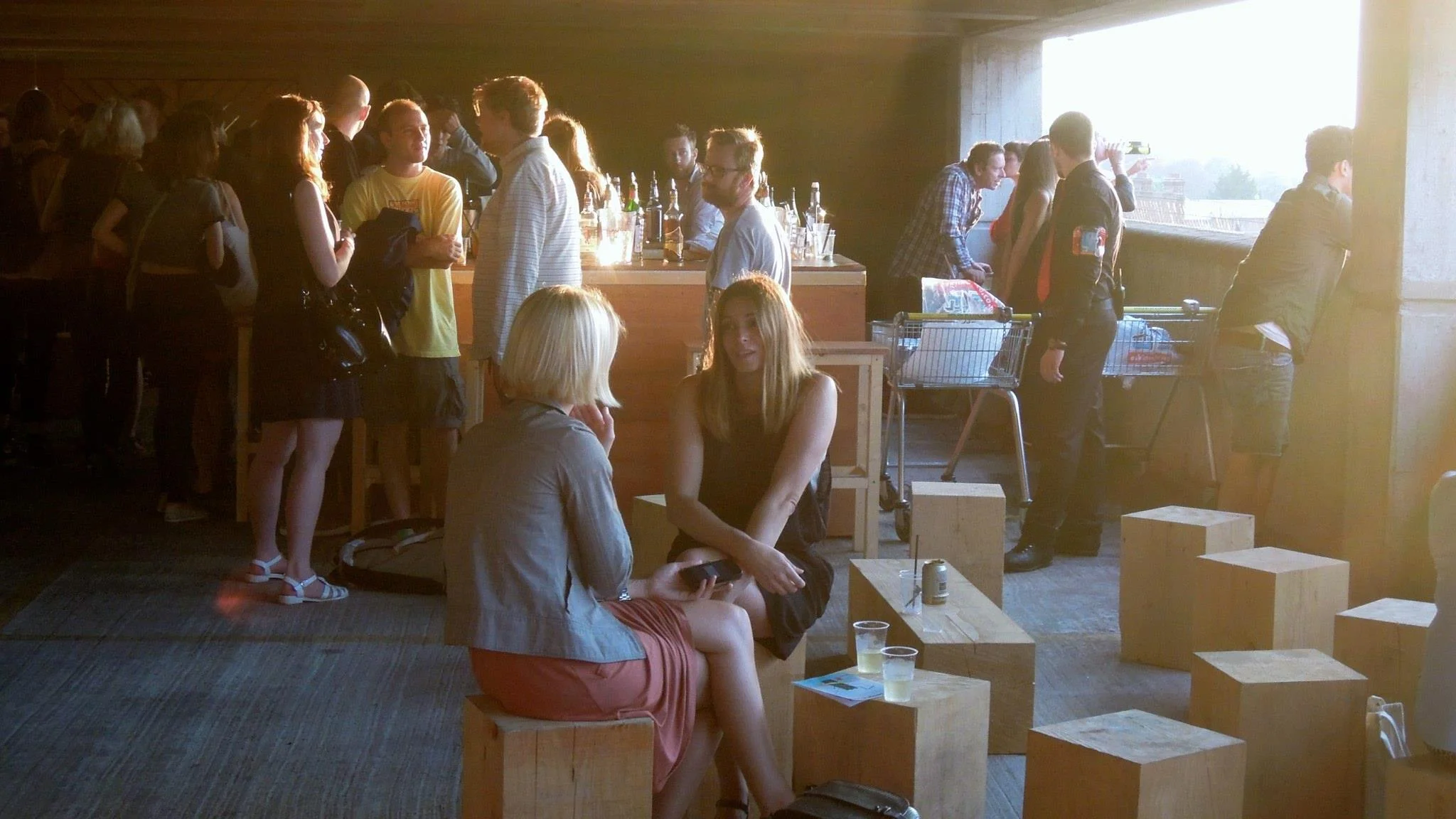
On Friday August 19th The Modernist Magazine set up our stall A.P.O. a new indie publishing fair as part of Bold Tendencies at the top of a car park in Peckham.. here's what it all looked like.
BÉTON BRUT
Exhibition by Simon Phipps at the Foundry Gallery - 9 september - 27 october 2016
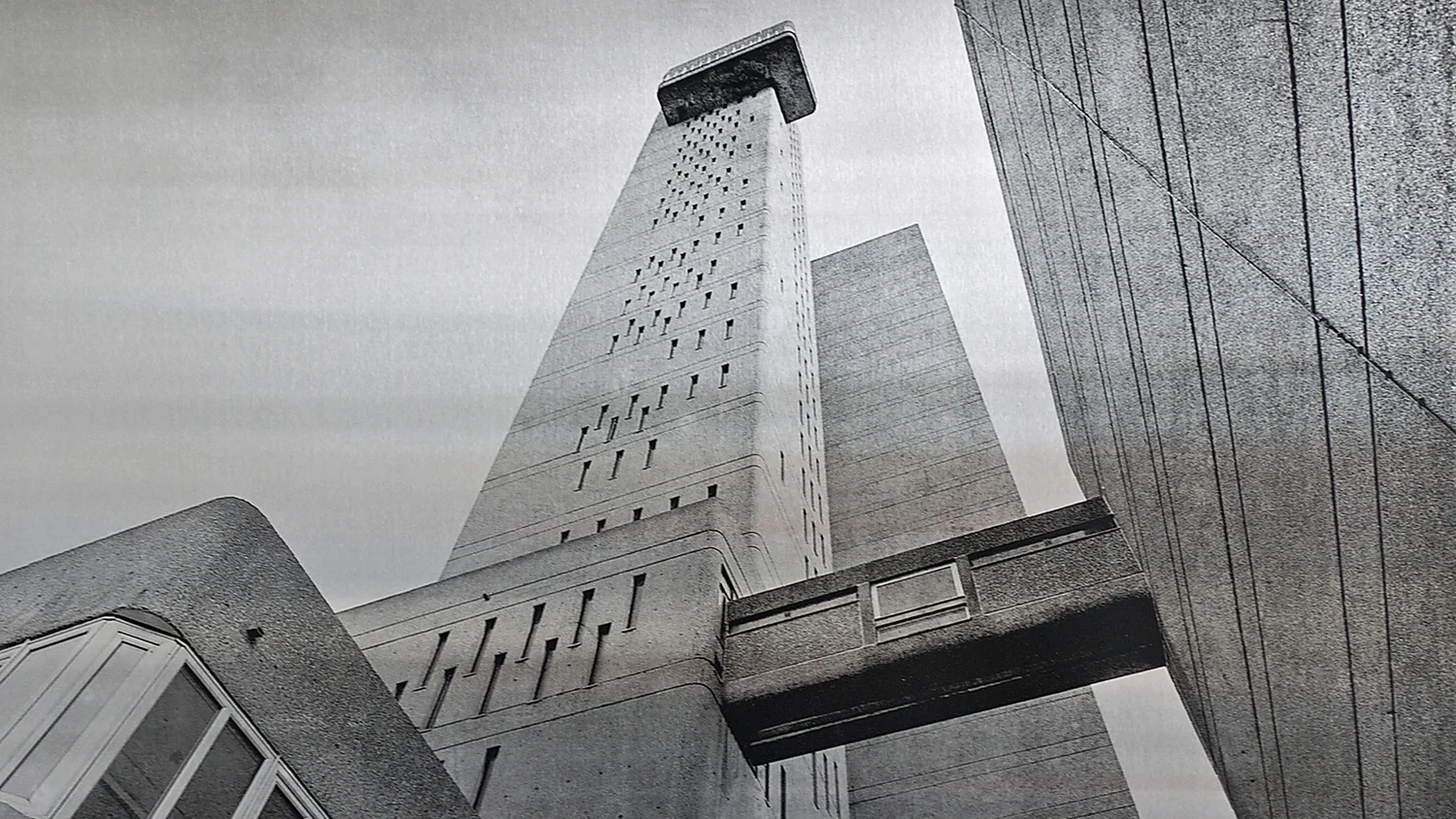
"Any piece of architecture worth being called architecture is usually both hated and loved" Rodney Gordon – Architect ‘The Tricorn’, Portsmouth UK.
What do you think of when you hear the architectural term ‘Brutalism’? Love these concrete monolithic buildings or hate them the artist and photographer Simon Phipps is ready to challenge all your preconceptions of the Brutalist building in his solo exhibition in London: BÉTON BRUT. Simon Phipps has spent the last 15 years photographing and documenting Brutalist and buildings in the UK, creating a survey of photographic images that demonstrate the breadth of this contentious architectural style.
BÉTON BRUT showcases a new series of architectural photographs screen printed in monochrome onto brushed aluminum. Phipps' careful selection of materials for his work captures one of the properties of Brutalism, ‘its not concerned with the material, but the quality of the material, what can that material do?’ The use of a halftone screen and the aluminium moves the photograph away from the representational; it becomes more sculptural within the enhanced materiality of surface and ink. His photography plays with the viewer’s perspective of the buildings; he has an innovative way of looking at these dynamic constructions finding interesting new vistas and perspectives to capture our imagination.
A selection of Phipps extensive photographic inventory is also displayed in BÉTON BRUT where the curatorial arrangements highlight typological similarities and differences, revealing an analysis of form and structure. Using the placement of colour to highlight architectural details; stemming from Le Corbusier’s Polychromie Architectural, Phipps has used colour from the buildings he has resolutely documented and faithfully used these colours as an integral part of the exhibition in The Foundry Gallery. BÉTON BRUT is curated by Elizabeth Goode.
About Simon Phipps
Simon Phipps is a London based artist whose work focuses on Modernist architecture. Phipps is the photographer for "THE BRUTALIST LONDON MAP" published by Blue Crow Media and supported by The Twentieth Century Society. His book "BRUTAL LONDON" a photographic survey of brutalist architecture within the inner London boroughs will be published in November 2016. Phipps is also currently working on a project with Darren Umney about Netherfield - a modernist rationalist estate in Milton Keynes designed by Dixon, Jones, Cross and Gold. "BETWEEN THE RATIONAL AND THE NATIONAL: NETHERFIELD IN THE NEW SUBURBAN LANDSCAPE" will be exhibited at the Architectural Association and the Milton Keynes Gallery in 2017.
9 september - 27 october 2016
The Foundry Gallery 39 old church street, chelsea, london, sw3 5bs, uk
Back to Peckham
Publishing event / book fair
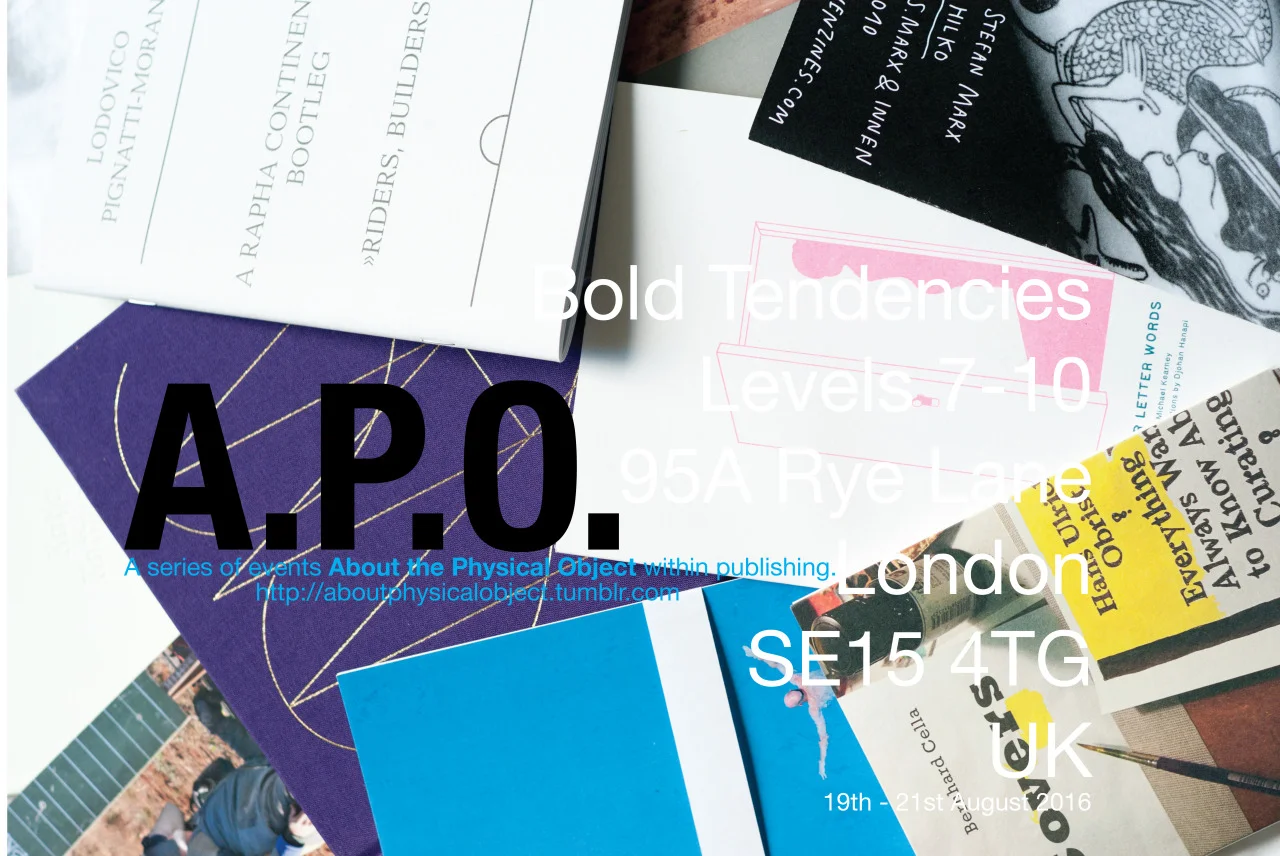
We're going back to our regular Summer haunt at Bold Tendencies in Peckham this August, but this year its a bit different, no Copeland Book Market but a new event A.P.O. The Modernist will be making an appearance on the opening night at Show & Tell.
The opening night of About the Physical Object (APO) will be a one night only affair called: Show and Tell. A book fair, in which a wide variety of publishers display a wide variety disciplines on paper. Showing what they do and hopefully bringing along an artist or writer to do a book signing. Displaying In the hope of show the public that these books do not just come out of thin air. That there are individuals behind these words and pictures on the pages you read. So far, confirmed publishers consist of:
ABC, Bemojake, E.R.O.S. Journal, The Everyday Press, Fitzcarraldo editions, Loose Joints, Oddeye press, Nousvous, The Modernist, Morel Books, Rick Pushinsky / Hunter and James, South London Gallery, Hoxton Mini-press, The Plantation Journal, Trolley Books.
A.P.O. About Physical Object, a new eventhere to explore the physical aspects of book in all desired disciplines. Ranging from traditional publishing to performance arts. Mini-click and Libreria/Robin Linde Production curate the Saturday and Sundays episodes, which will consist of unorthodox activities of producing publications of one kind or another. The events concentrate on the idea of the physical nature of publishing, photography and literature: All within the idea of the book and the physical object.
Show & Tell: August 19th 5pm - 9pm
at
Bold Tendencies, Levels 7-10, 95A Rye Lane, London SE15, 4TG
Event : The Recommission for New Towns
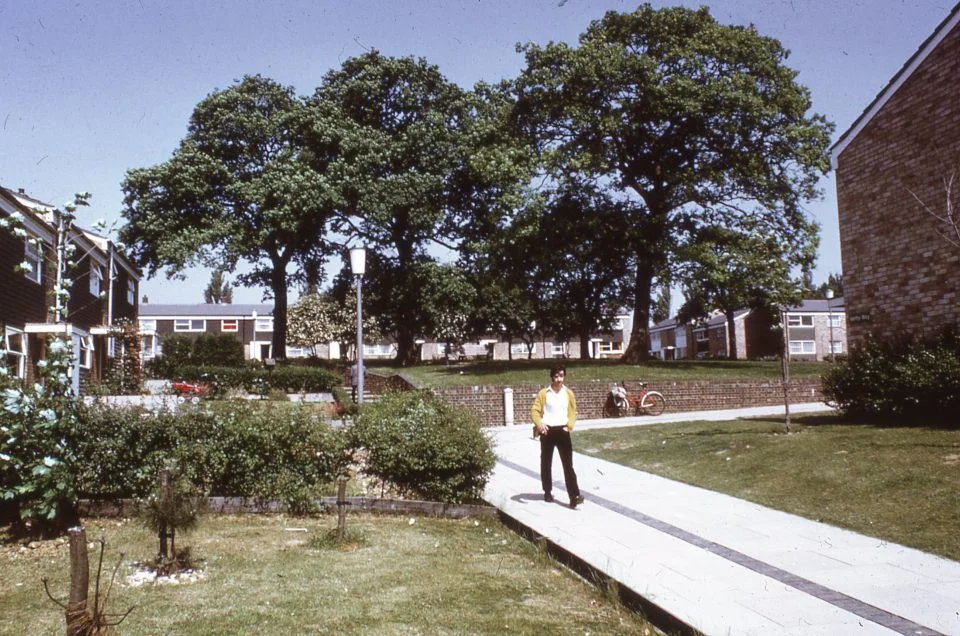
Stevenage Museum hosts an open event on the past, present and future of UK new towns. A one day conference on 30th July will mark seventy years since the 1946 New Towns Act and the start of Stevenage new town, it aims to combine tours, talks and debate involving experts, amateurs and residents.
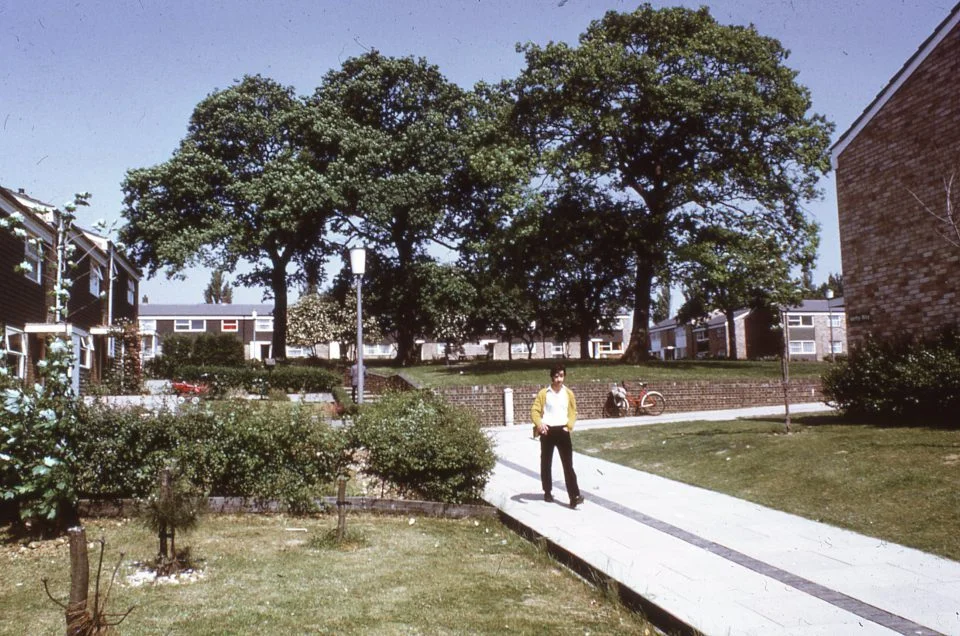
Image from the JR James Archive on recommissionfornewtowns.org
The programme includes talks from author Ken Warpole, cultural regeneration expert Sarah Gaventa and filmmaker Christopher Smith, whose latest project is a feature-length documentary about life in Basildon called New Town Utopia. The day will also include tours of Stevenage by bike and foot as well as engaging new town residents past and present in talks and debates.
For more information and tickets visit recommissionfornewtowns.org or email info@recommissionfornewtowns.org
Social Construction : Modern Architecture in British Mandate Palestine
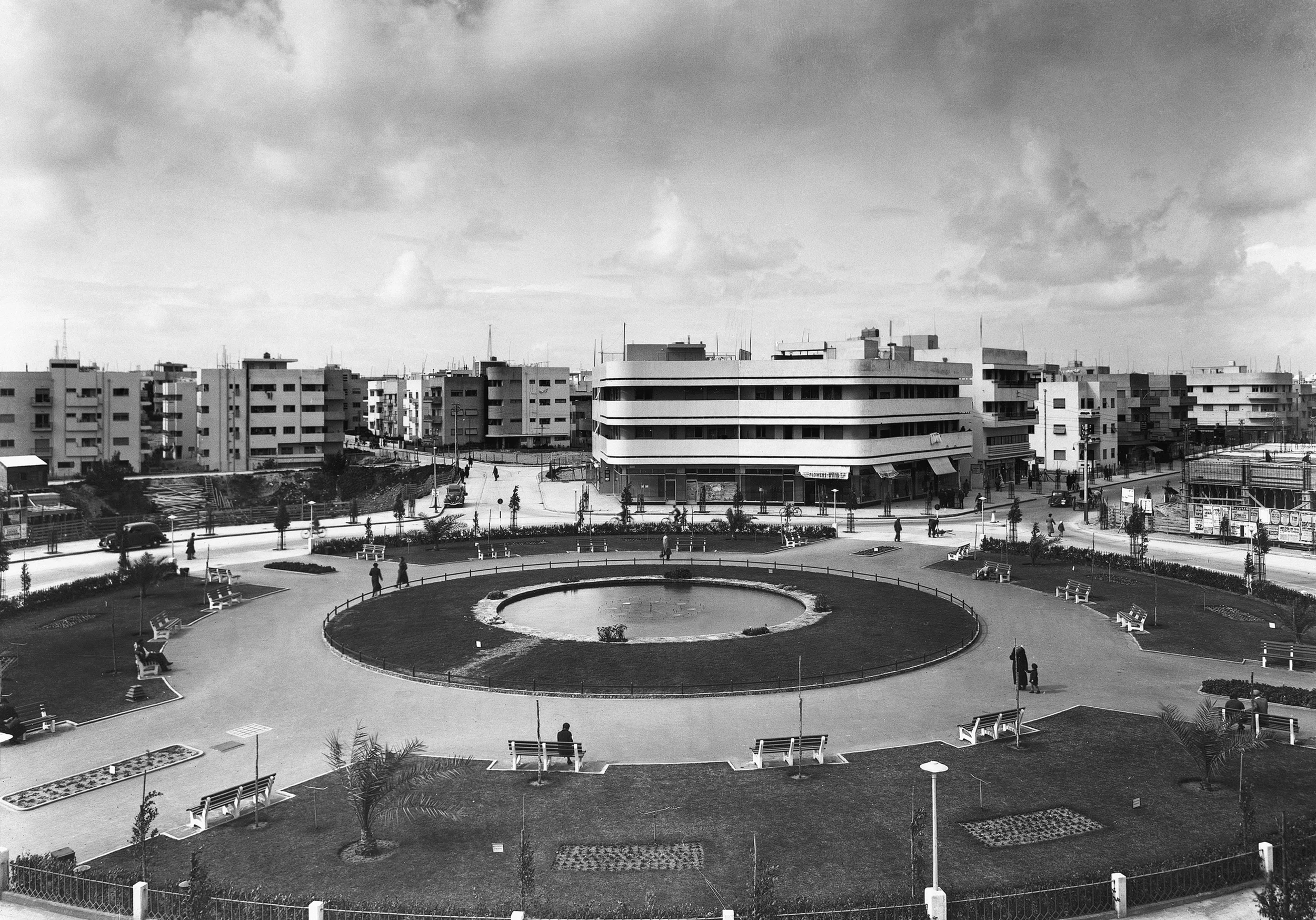
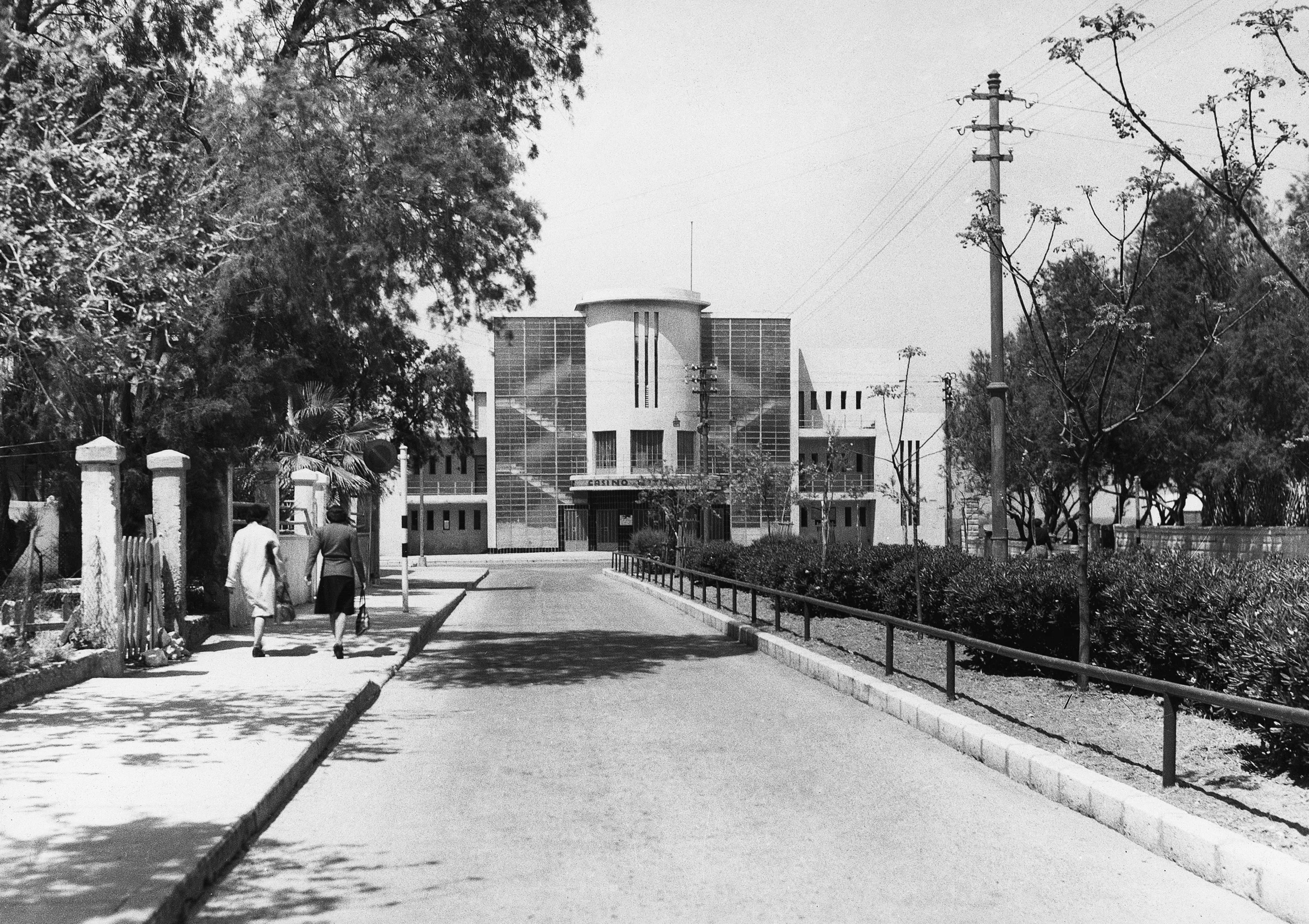
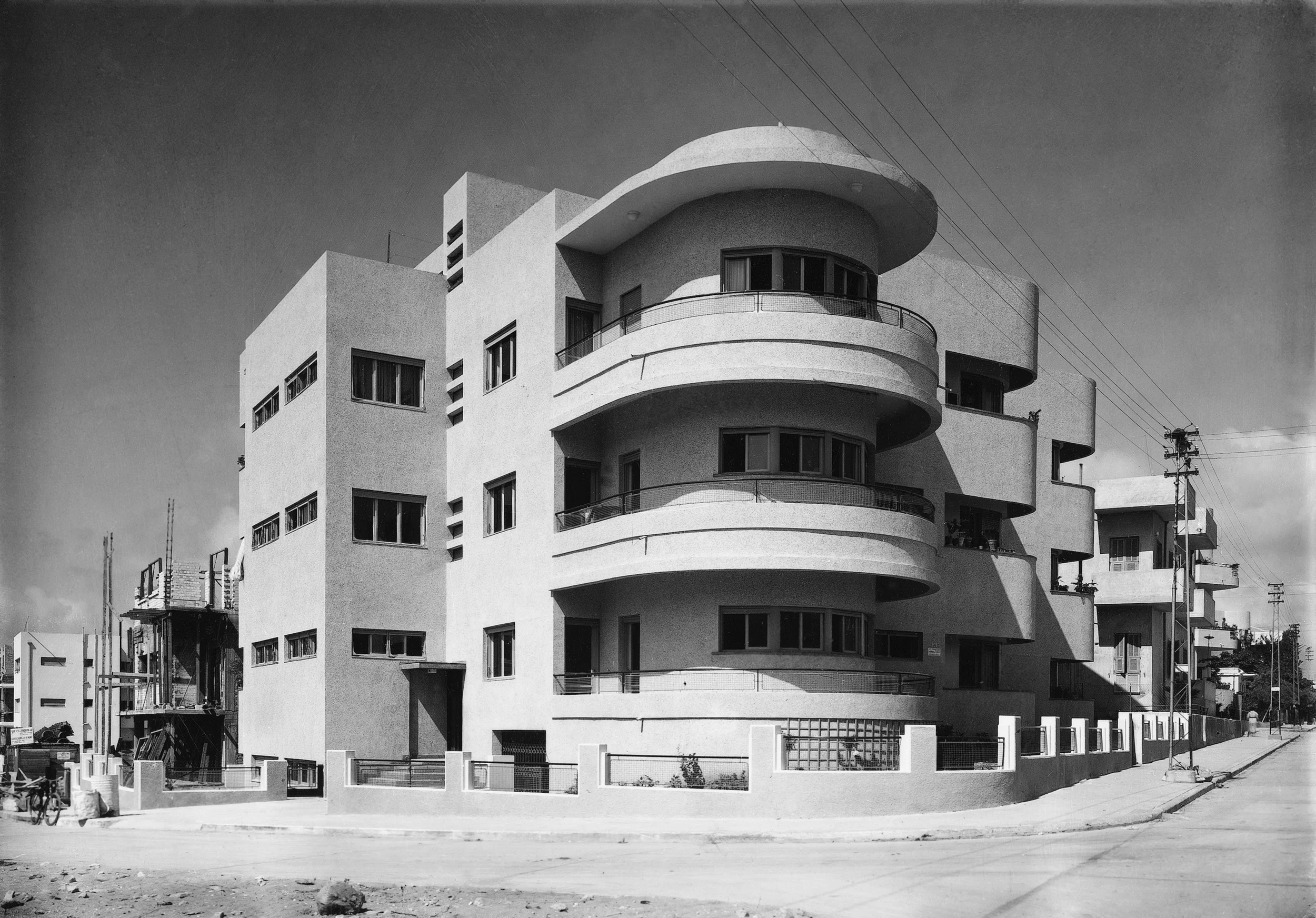
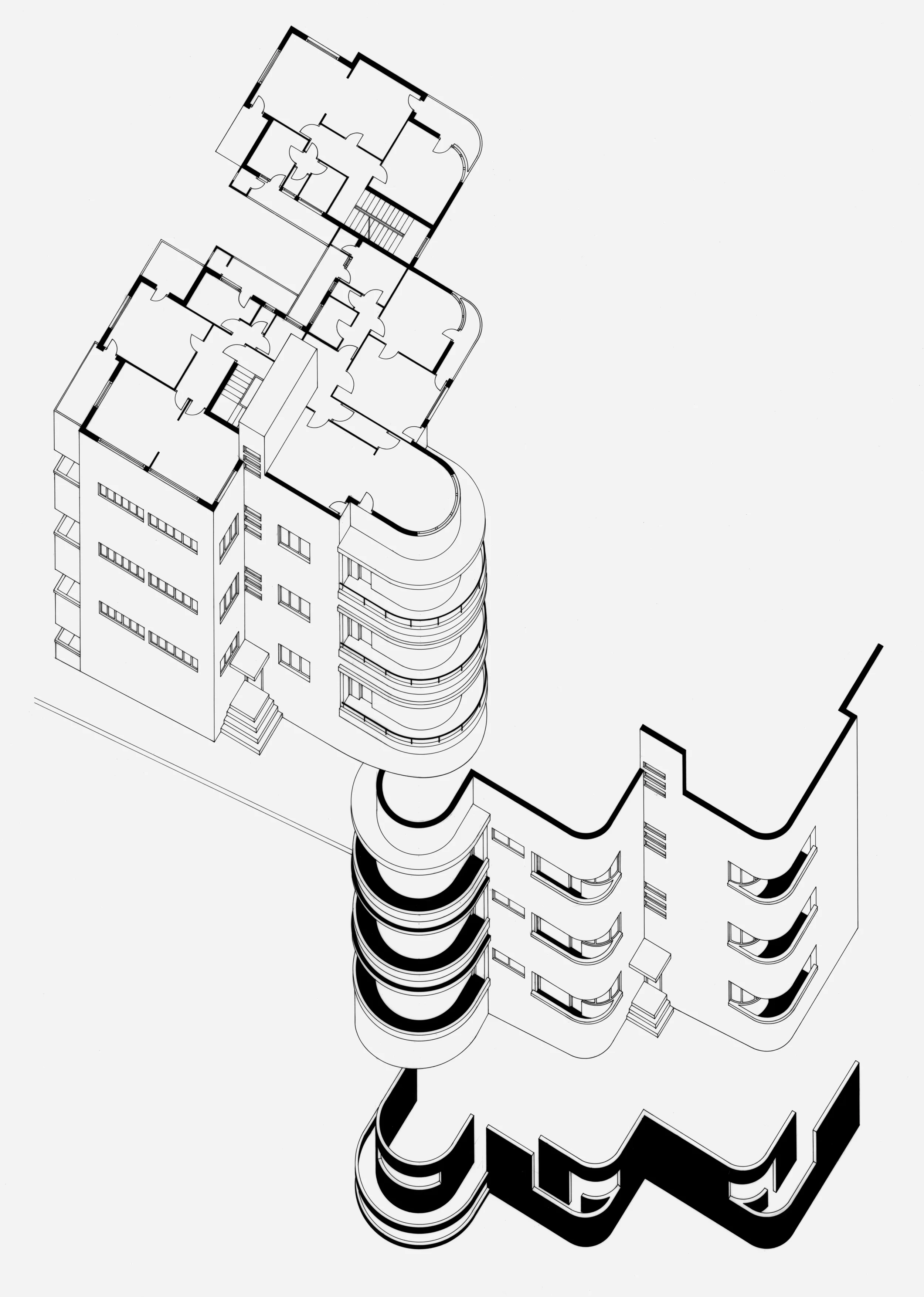
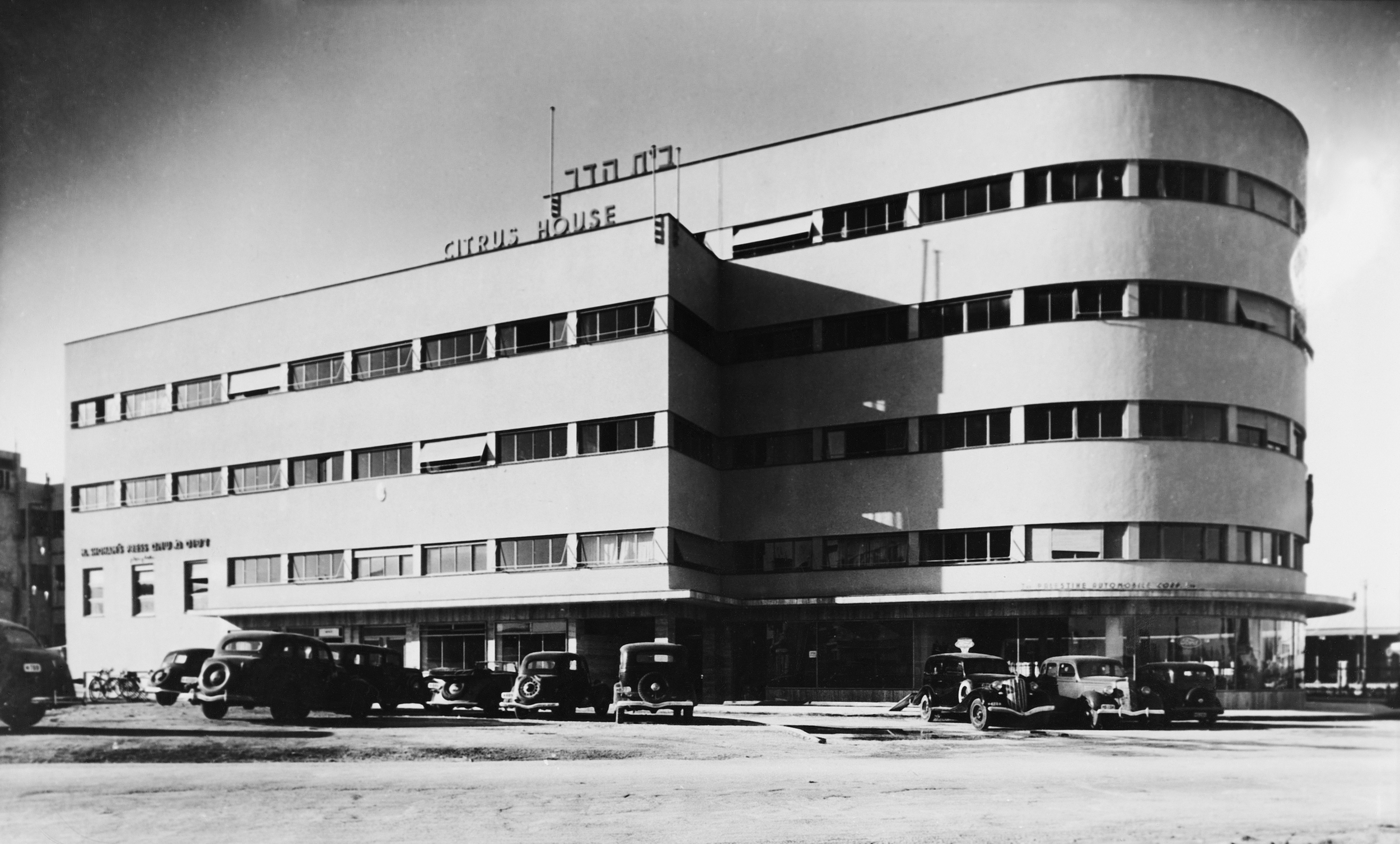
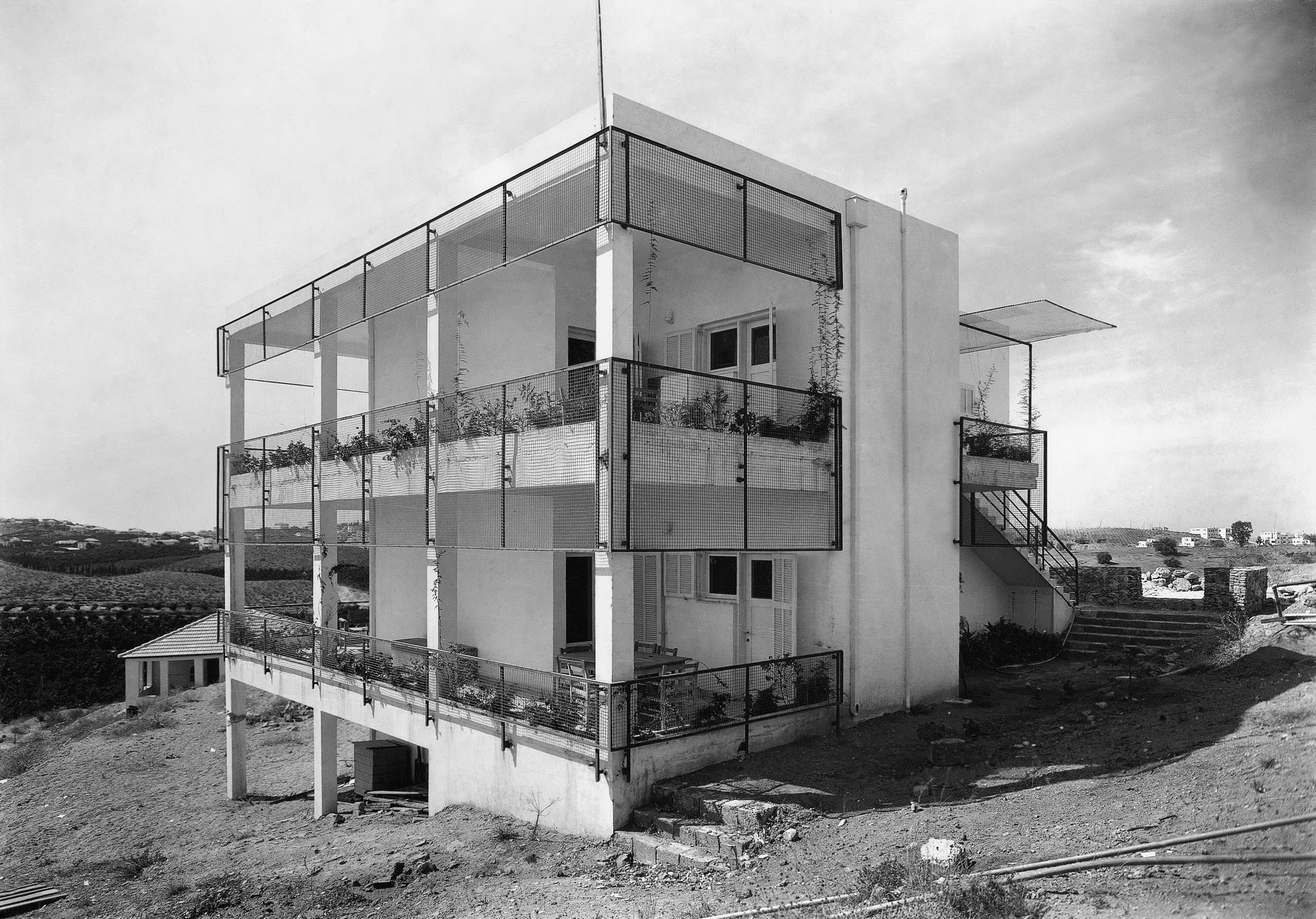
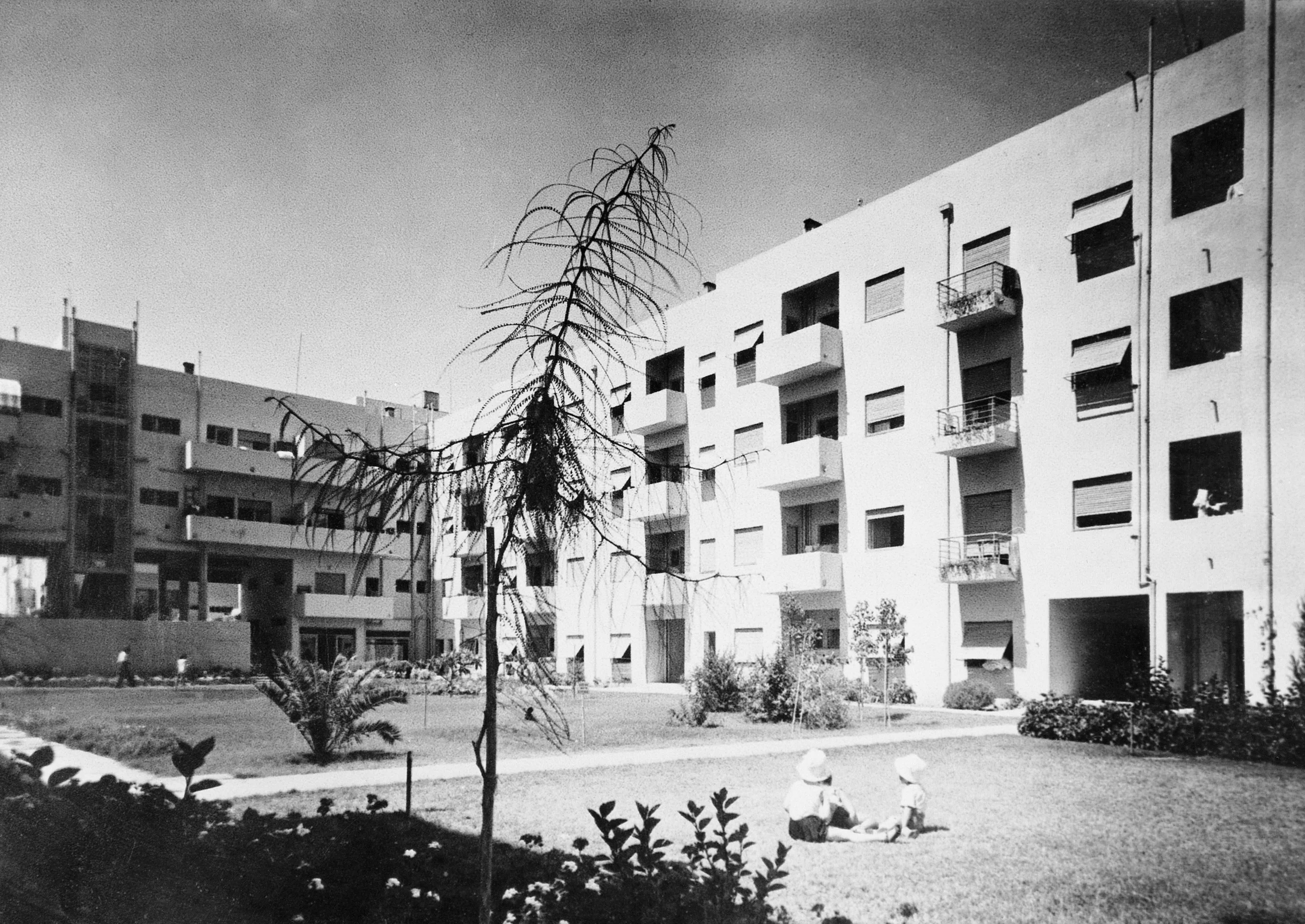
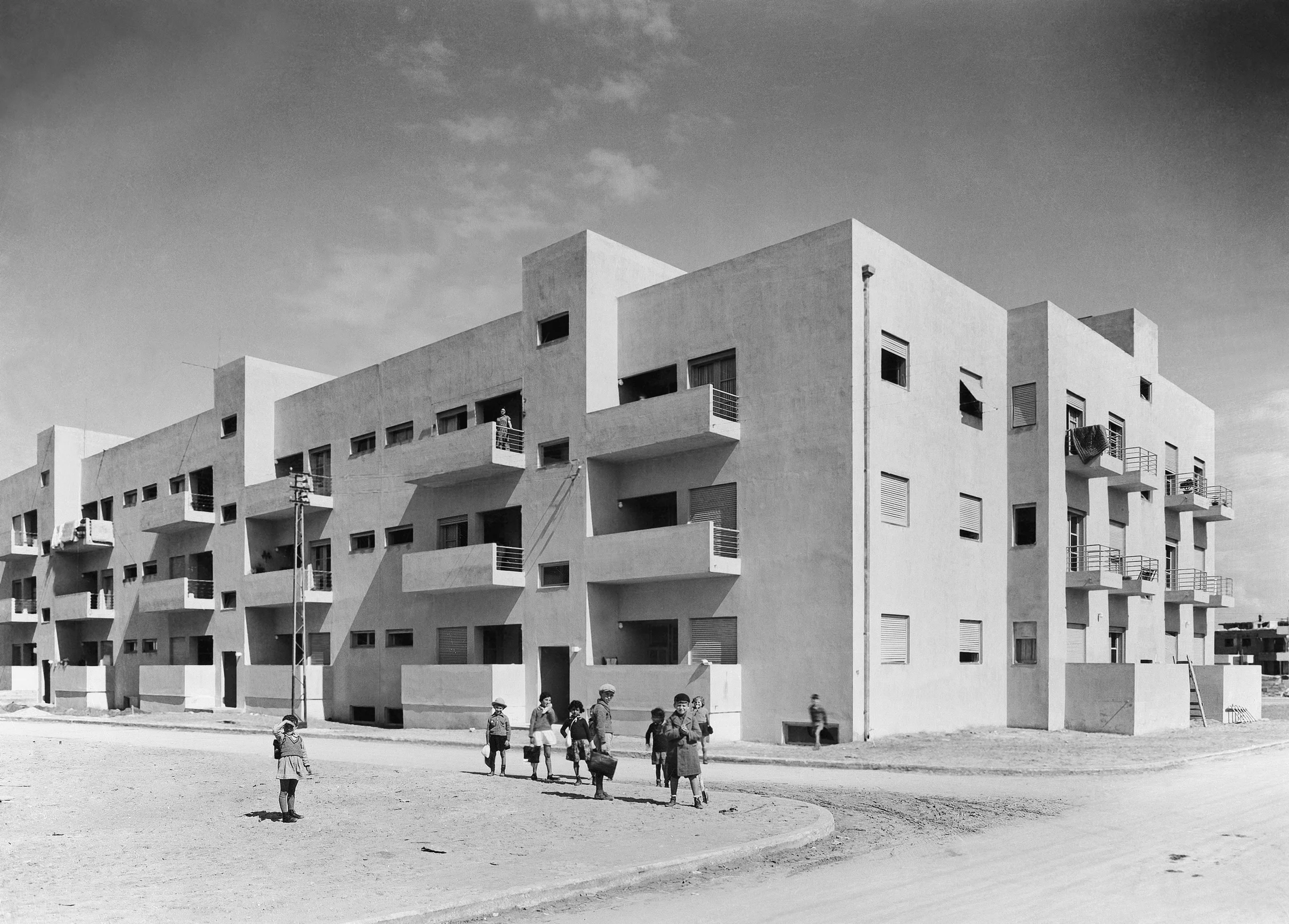
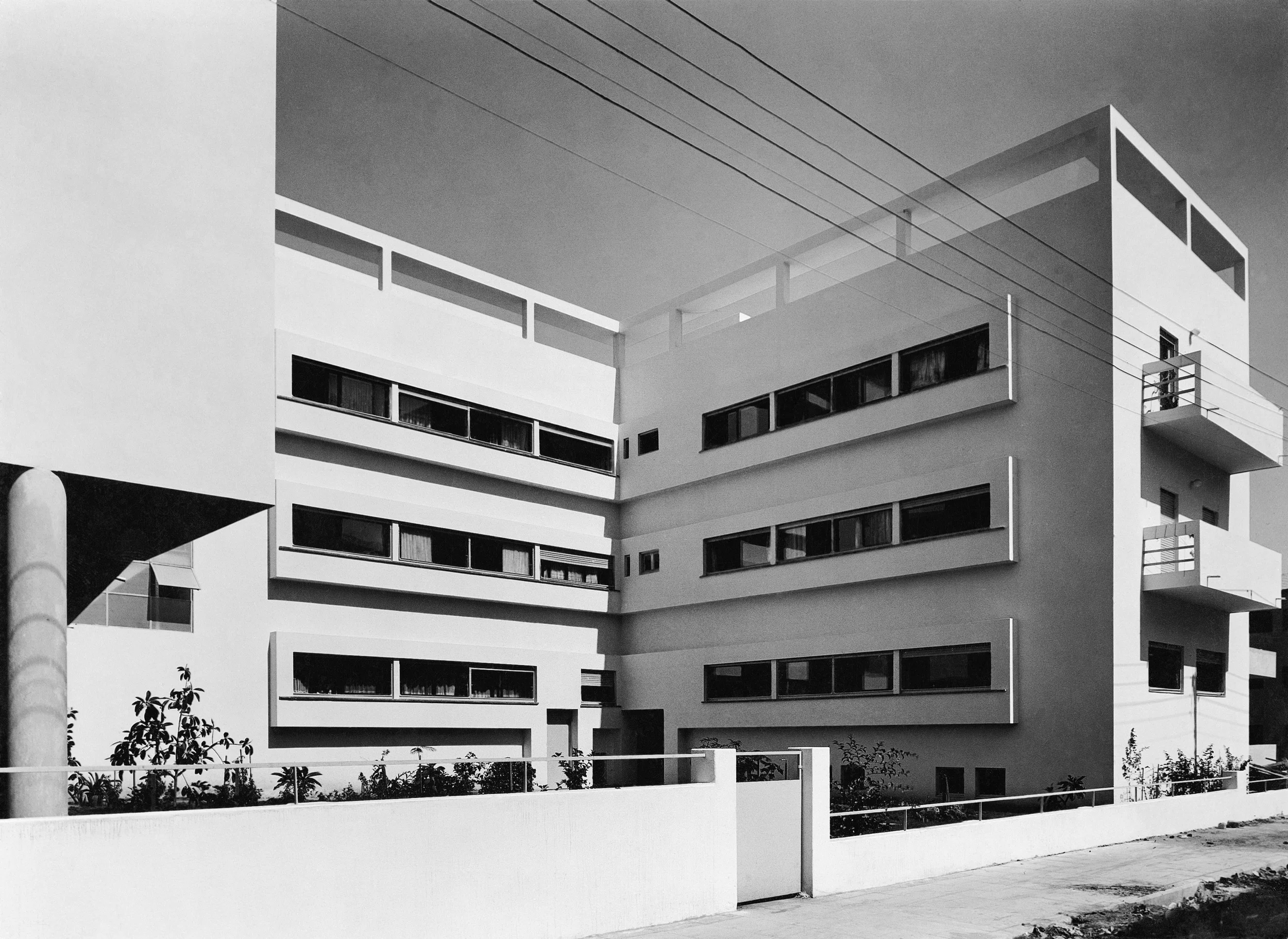
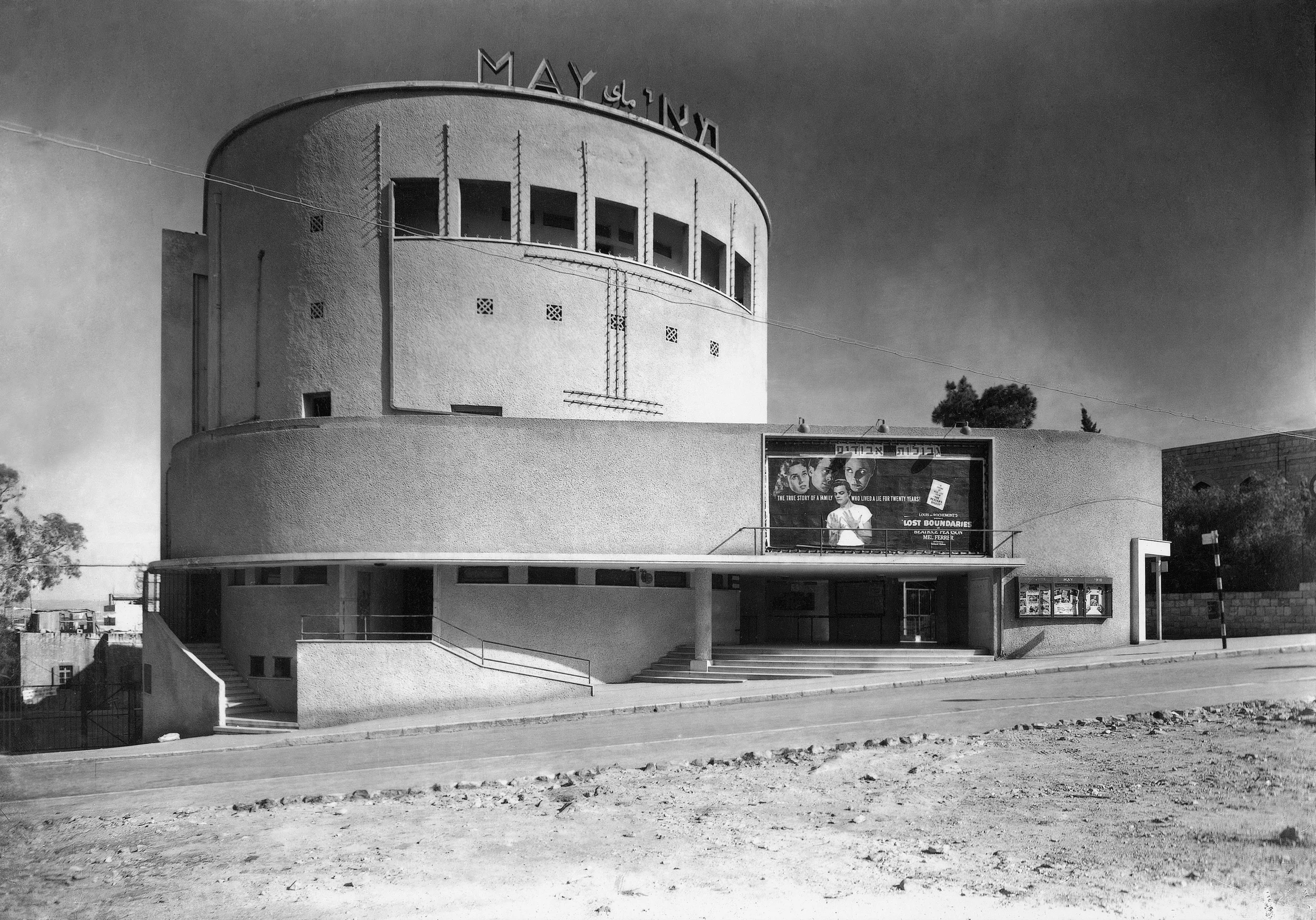
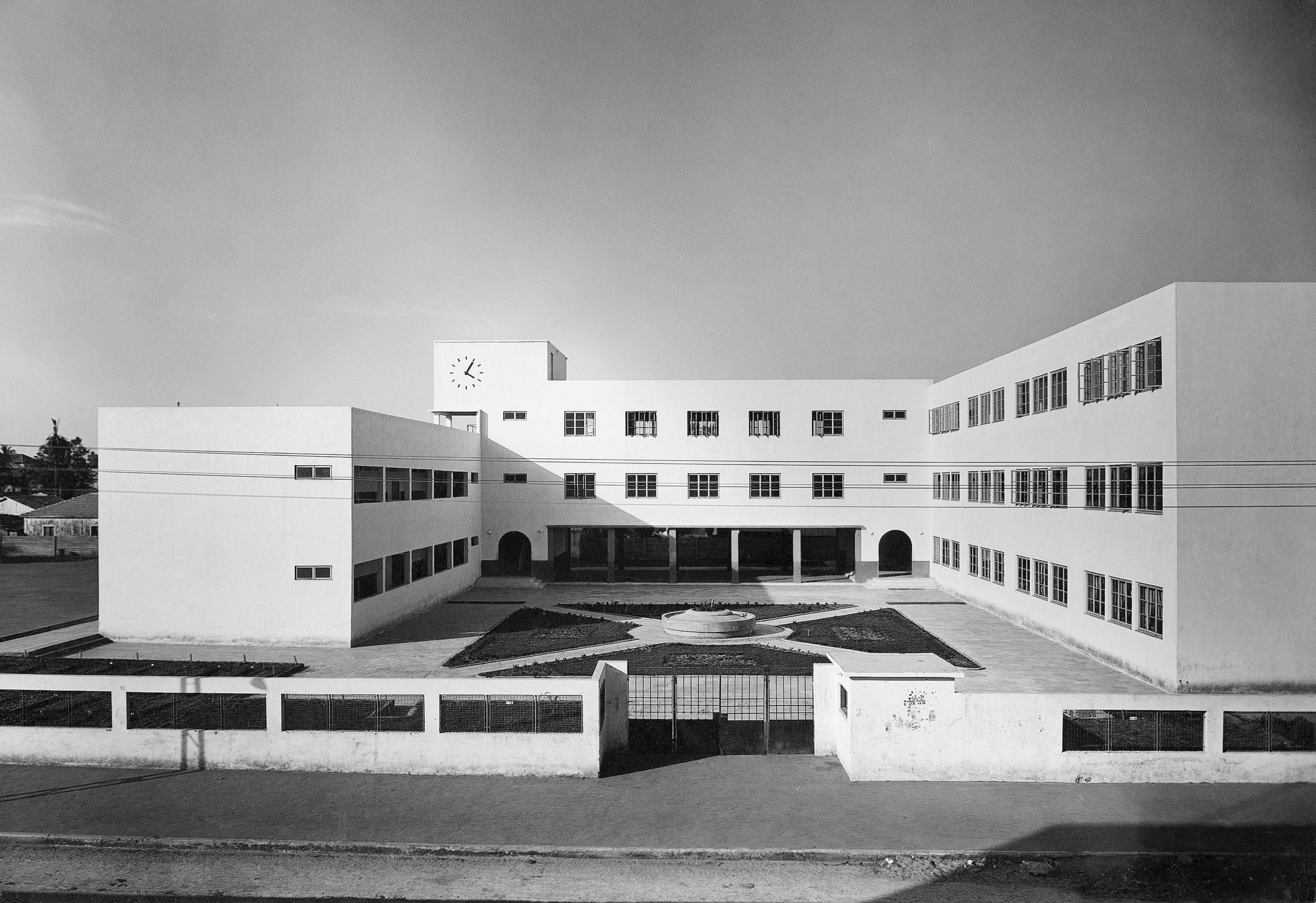
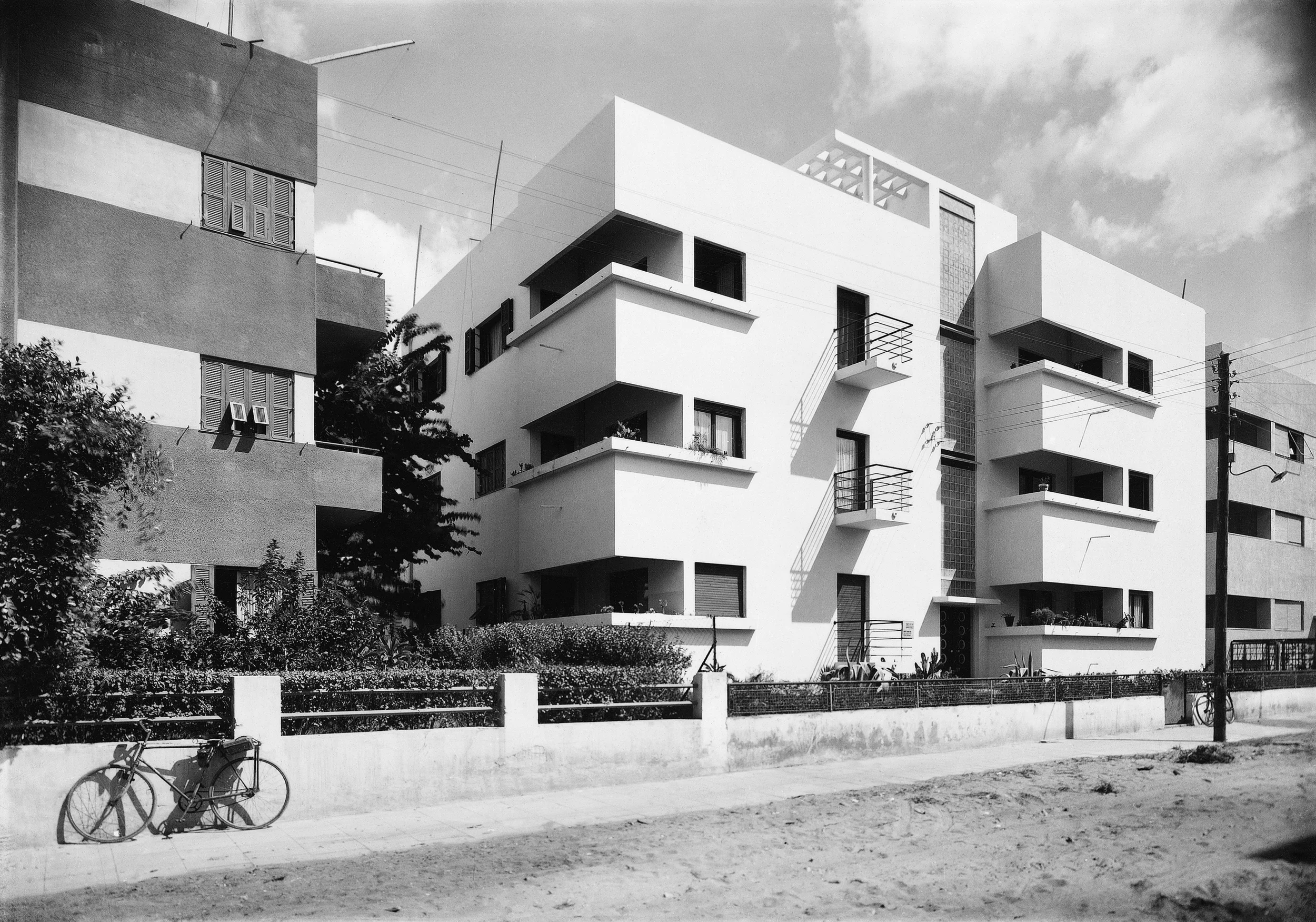
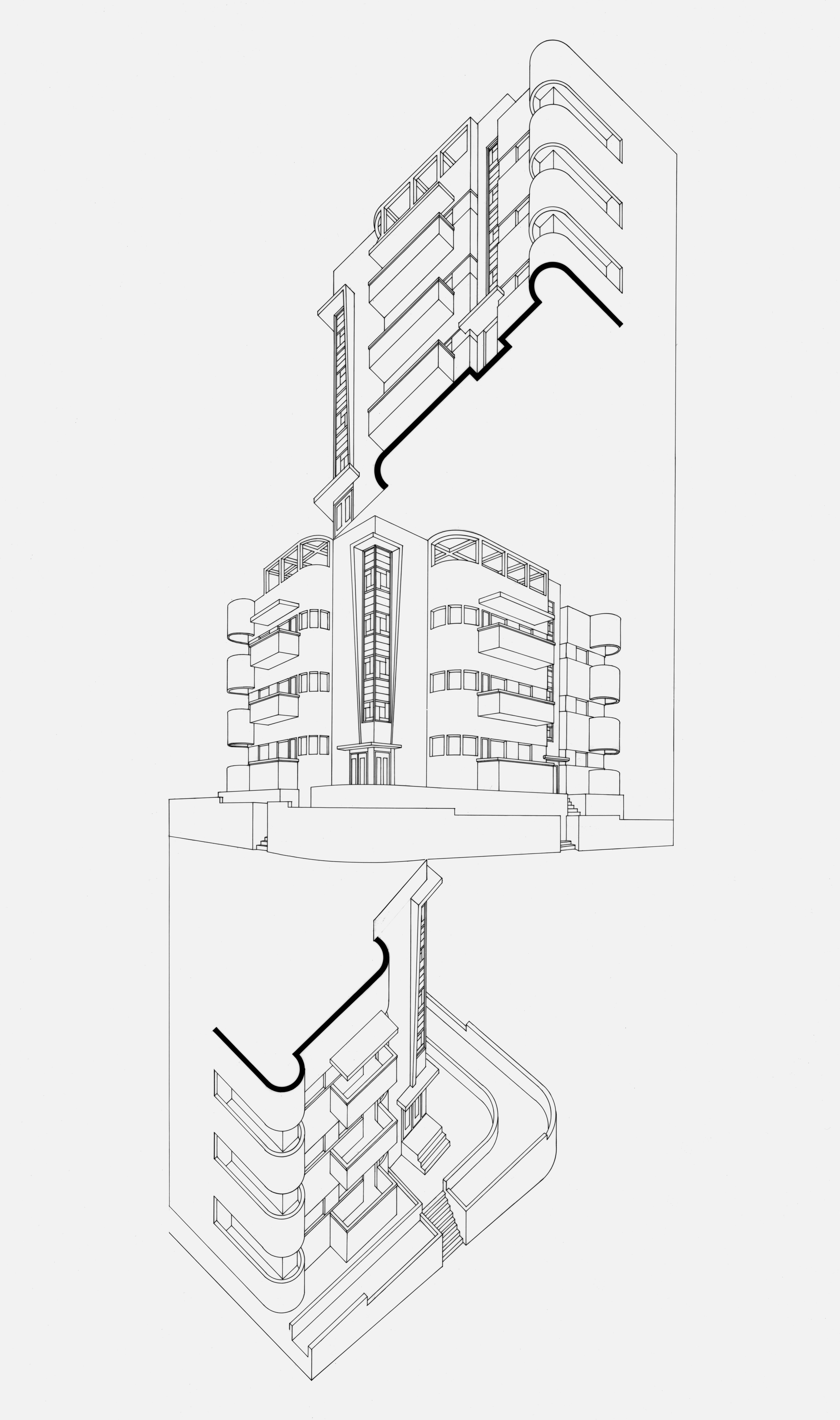
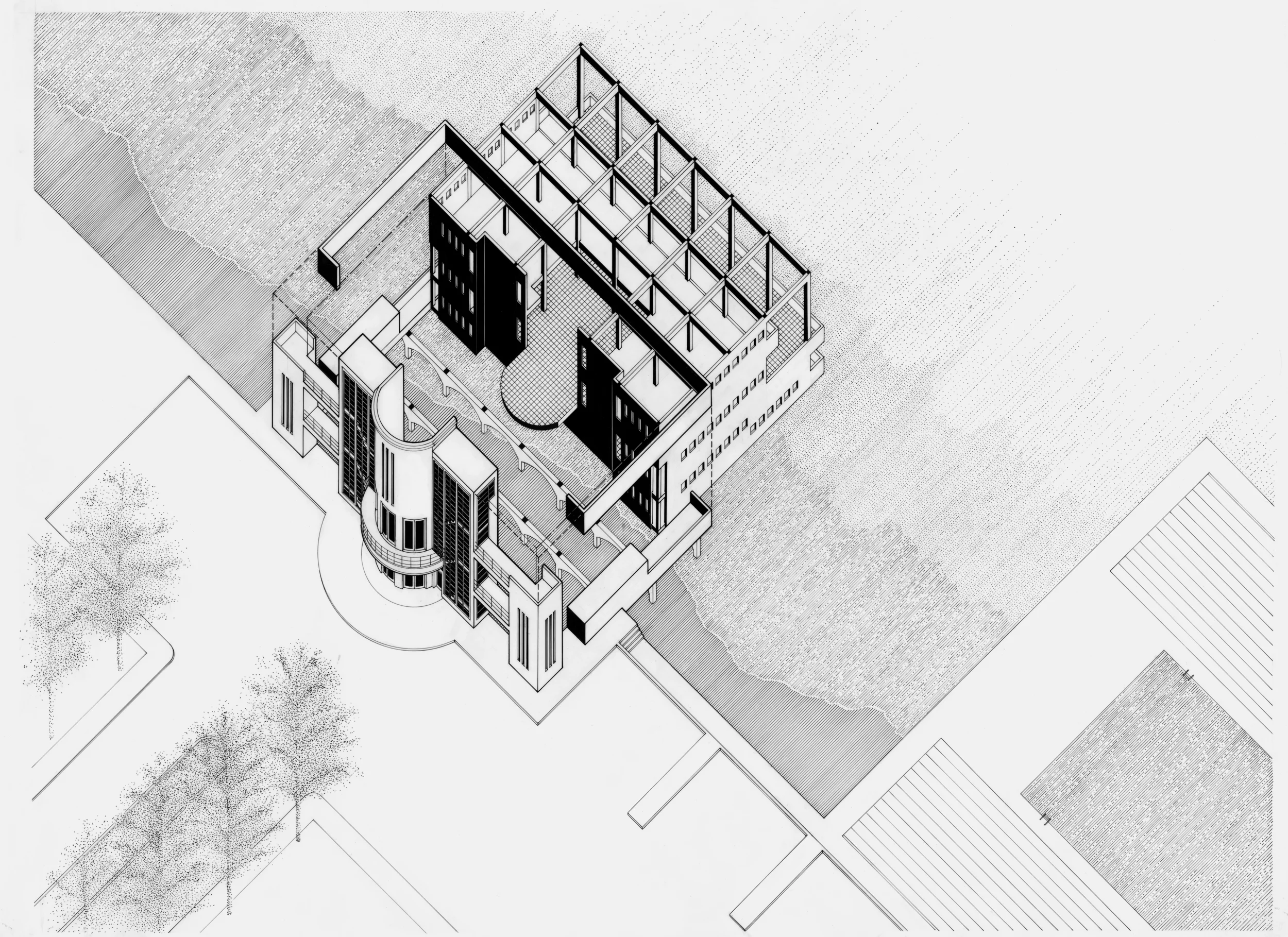
This month, the Israel Museum opens a major exhibition tracing the influence of international modernism on the architectural vernacular that developed in Palestine during the British Mandate period (1917-1948). Social Construction: Modern Architecture in British Mandate Palestine explores not only the beauty and functionality of the new architecture that developed in the early 20th century, but also the social values of the new land that were reflected in this style. Focusing on projects realized between 1930 and 1940, Social Construction features more than 60 archival photographs of the architectural icons of the time, together with roughly 40 interpretive drawings of these buildings, executed over 20 years.
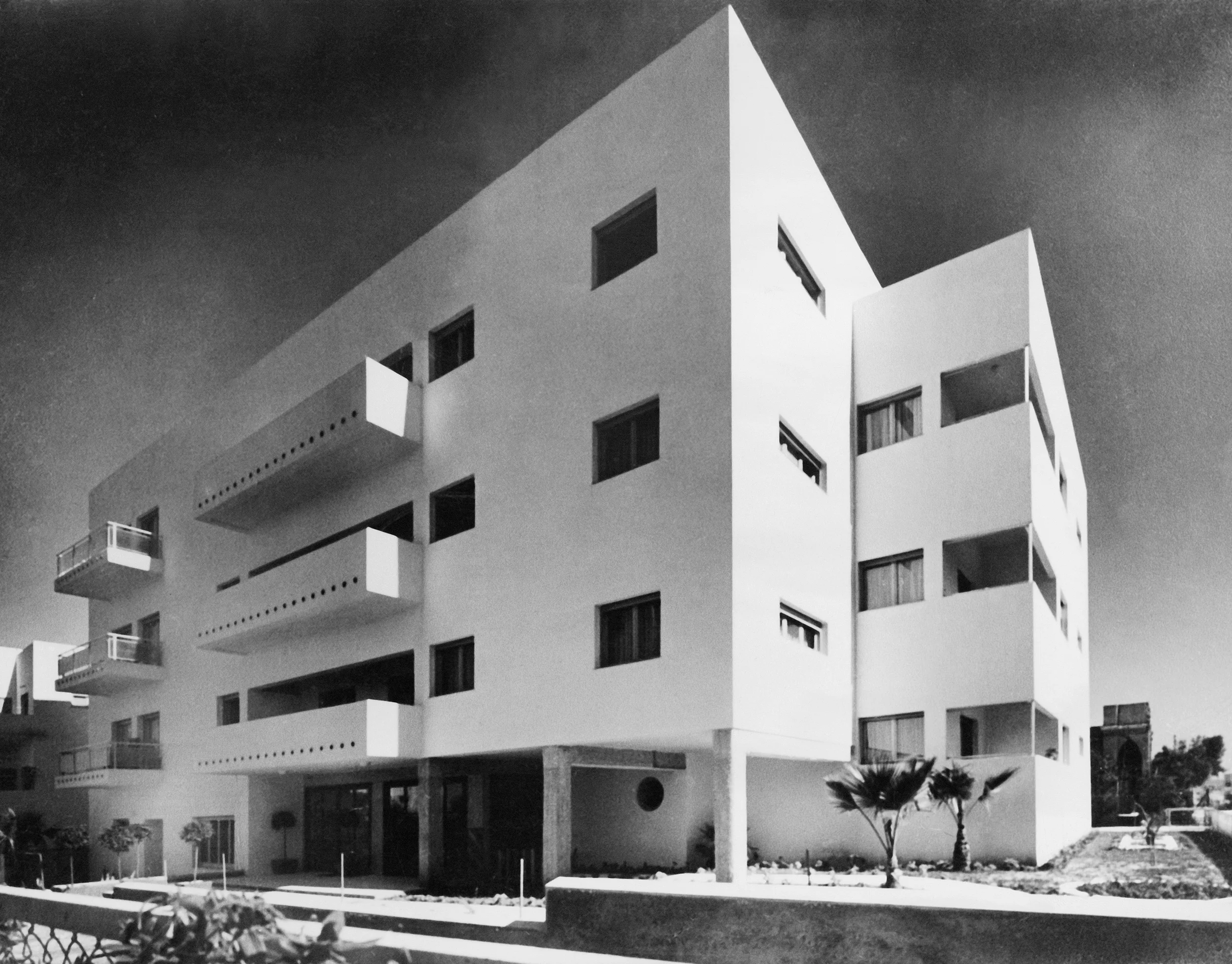
Focusing on the major cities of Jerusalem, Tel Aviv, and Haifa, Social Construction reveals how the development of these urban centers emerged from the influence of international modernism while forming a unique architectural language inspired by the ambitions to establish a new state and to create a new social order. The influx of immigration to Palestine following the Russian revolution of 1905 and the concurrent political upheavals in eastern Europe brought a generation of architects who embraced modernism as a new beginning. This imported language, defined by innovative geometric forms, spread across the landscape to create a uniquely local vernacular that expressed the ideological foundations of a new society.
The master plans developed during the British Mandate for each of the region’s major cities exhibit varying degrees of modernist architectural influence, based on their existing urban footprints. Modernist materials and forms were also adapted in response to the climate and geography of the region. Tel Aviv in particular was perceived as a “blank slate,” open to the embrace of new architectural modes.
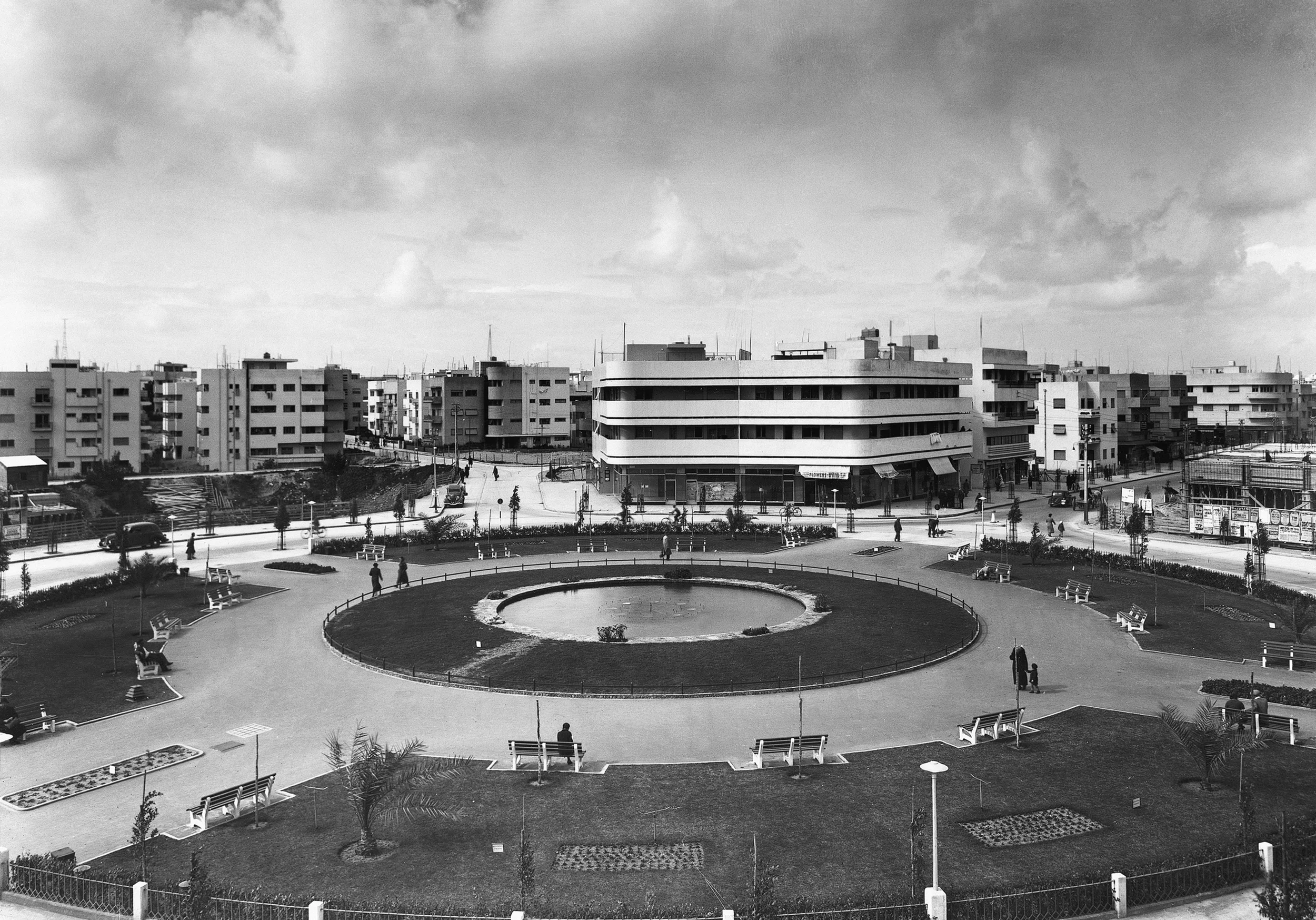
Social Construction brings together archival photography with large-format, hand-drawn contemporary analytical drawings that are presented with back illumination to underscore the dimensional character of architecture in a dynamic display. Highlighting the architectural vocabulary of the time, the exhibition explores such attributes as double-layer façades, public use of rooftops, mixed expressions of public and private spaces’ engagement with the street, the intermingling of public sidewalks and private gardens, and the typology of workers’ housing. Several case studies will be featured, including such iconic projects as Shmuel (Sam) Barkai’s Aginsky House (1934) and Lubin House (1937); Alfred Goldberger’s Bat Galim Casino (1934); Dov Karmi’s Max Liebling House (1936); Theodor Menkes’ Glass House (1938); Zeev Rechter’s Angel House (1933); and Arieh Sharon’s Workers’ Housing ("Meonot Ovdim") (1937).
The exhibition draws inspiration from the extensive research of Israel Prize laureate and architect Ada Karmi-Melamede and architect Dan Price, whose accompanying book explores not only the functional aspects of this new architecture, but also the social values that shaped the defining language of this new architectural style.
Fashion Statement
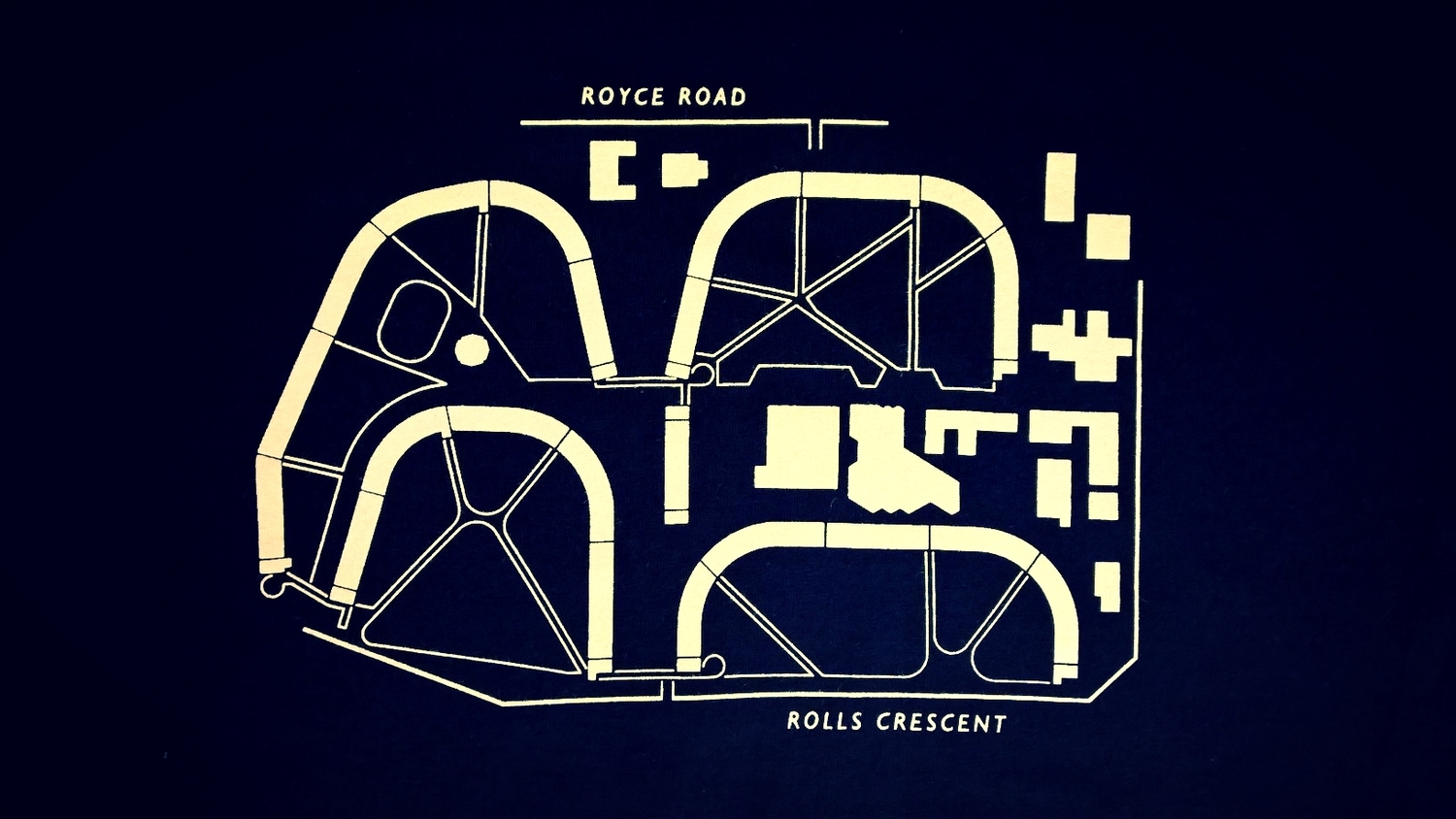
As part of our new 'Estates' range of merchandise we bring you the Hulme Crescents 'a large housing development situated in the Hulme district of Manchester, England'. Completed in 1972 by architects Wilson and Womersley. Though long gone you can recreate the heady days of The Crescents through the medium of the t shirt.
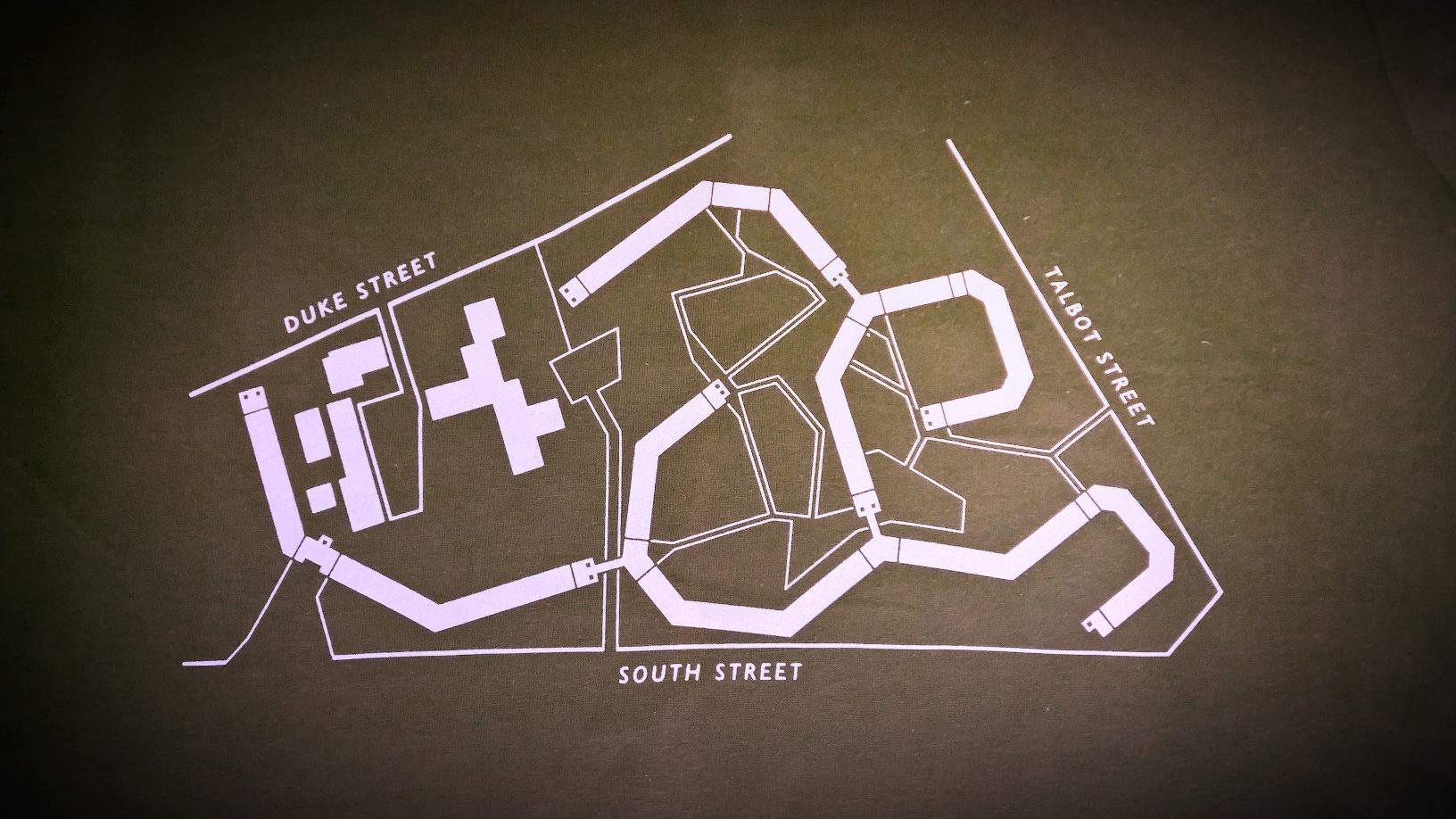
We also present Park Hill 'a council housing estate in Sheffield, South Yorkshire, England'. It was built between 1957 and 1961 and designed by Jack Lynn Ivor Smith under JL Womersley. Park Hill provokes love and loathing in equal measure. We, of course, love it and you too can show your love for Britain's largest listed building with our smashing tee-shirt.
Available fromour on-line shop in Navy Blue or in Military Green for that urban camouflage look.
Design: Matthew Steele
Barbican: Building the Brutal
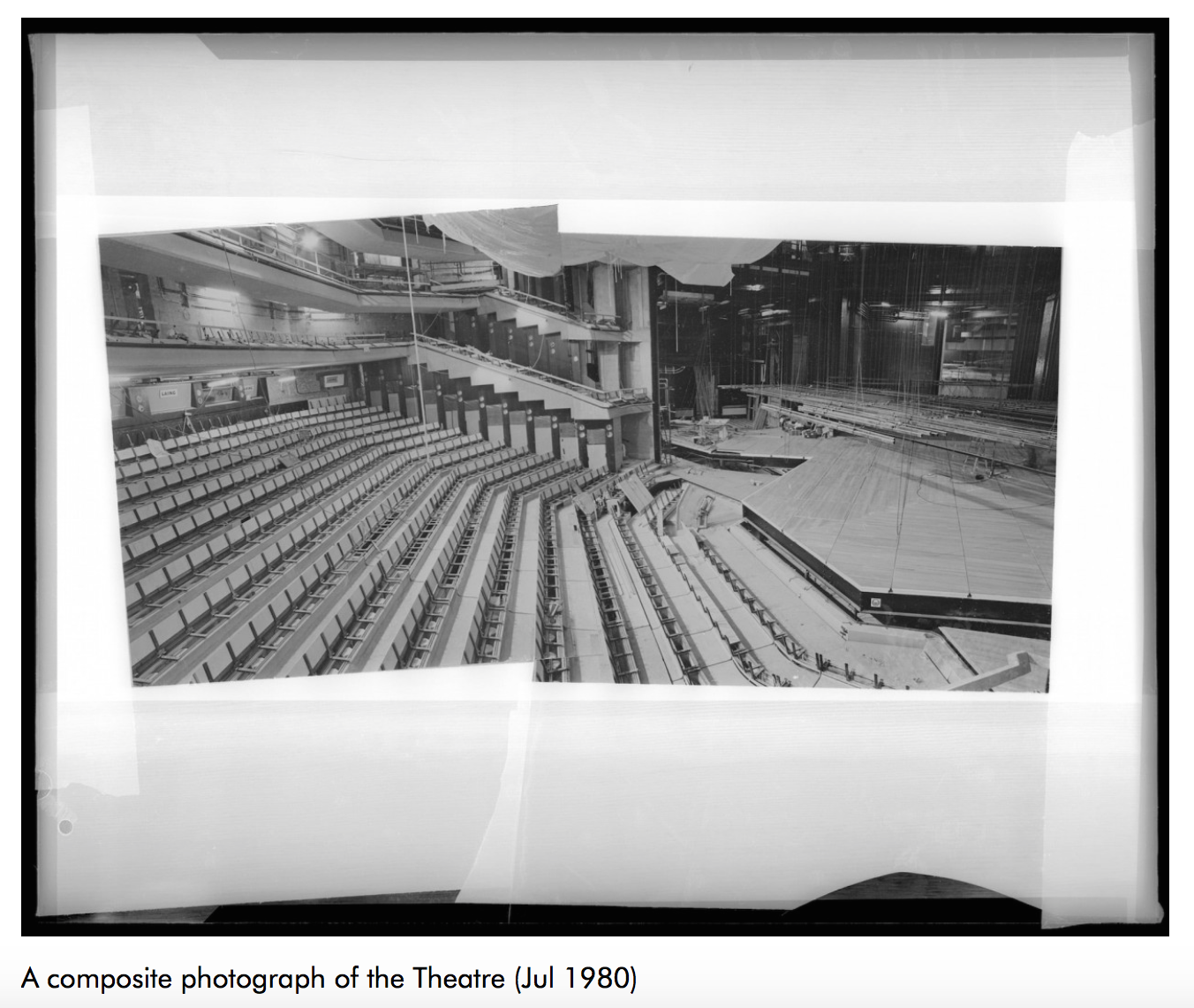
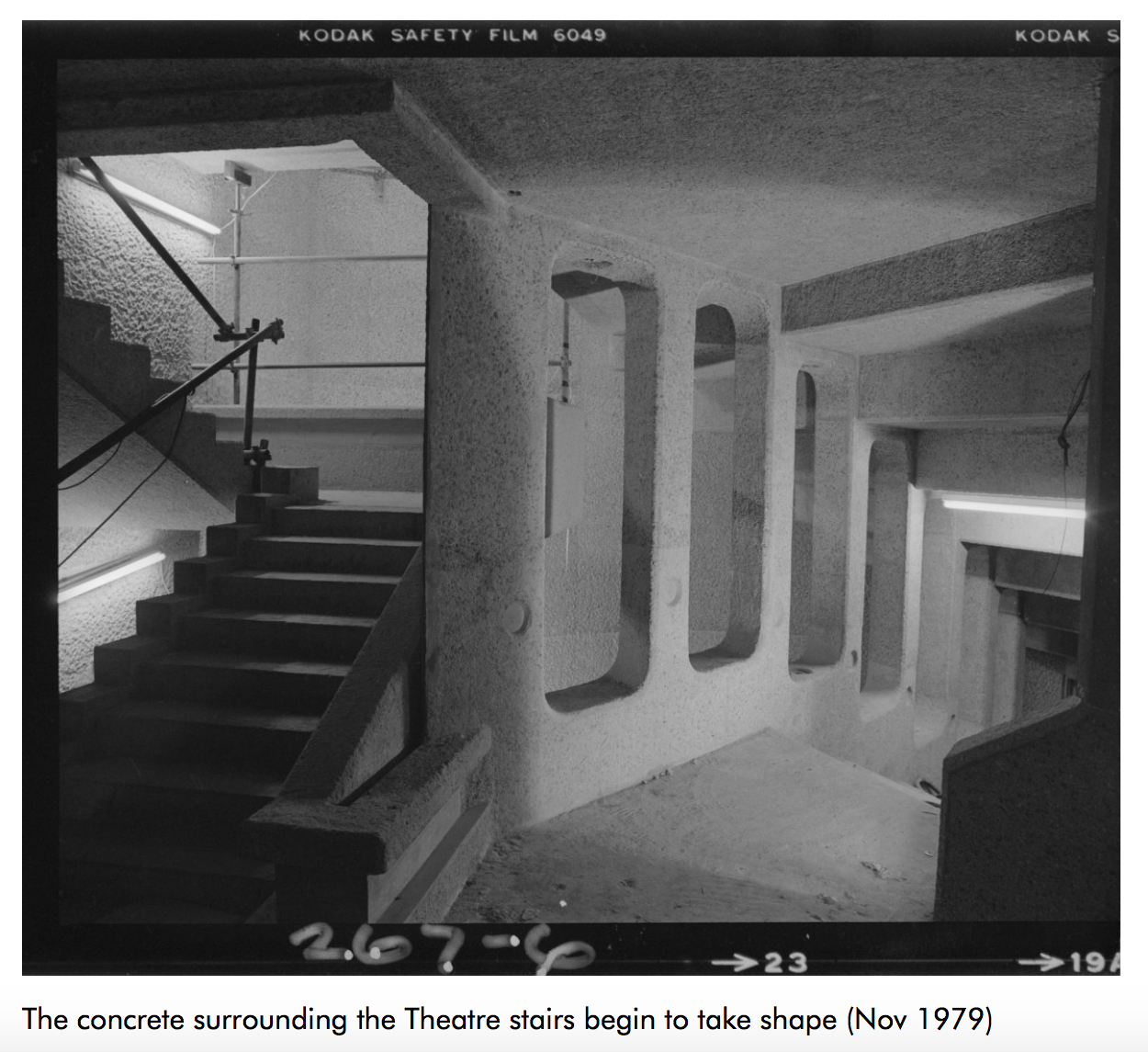
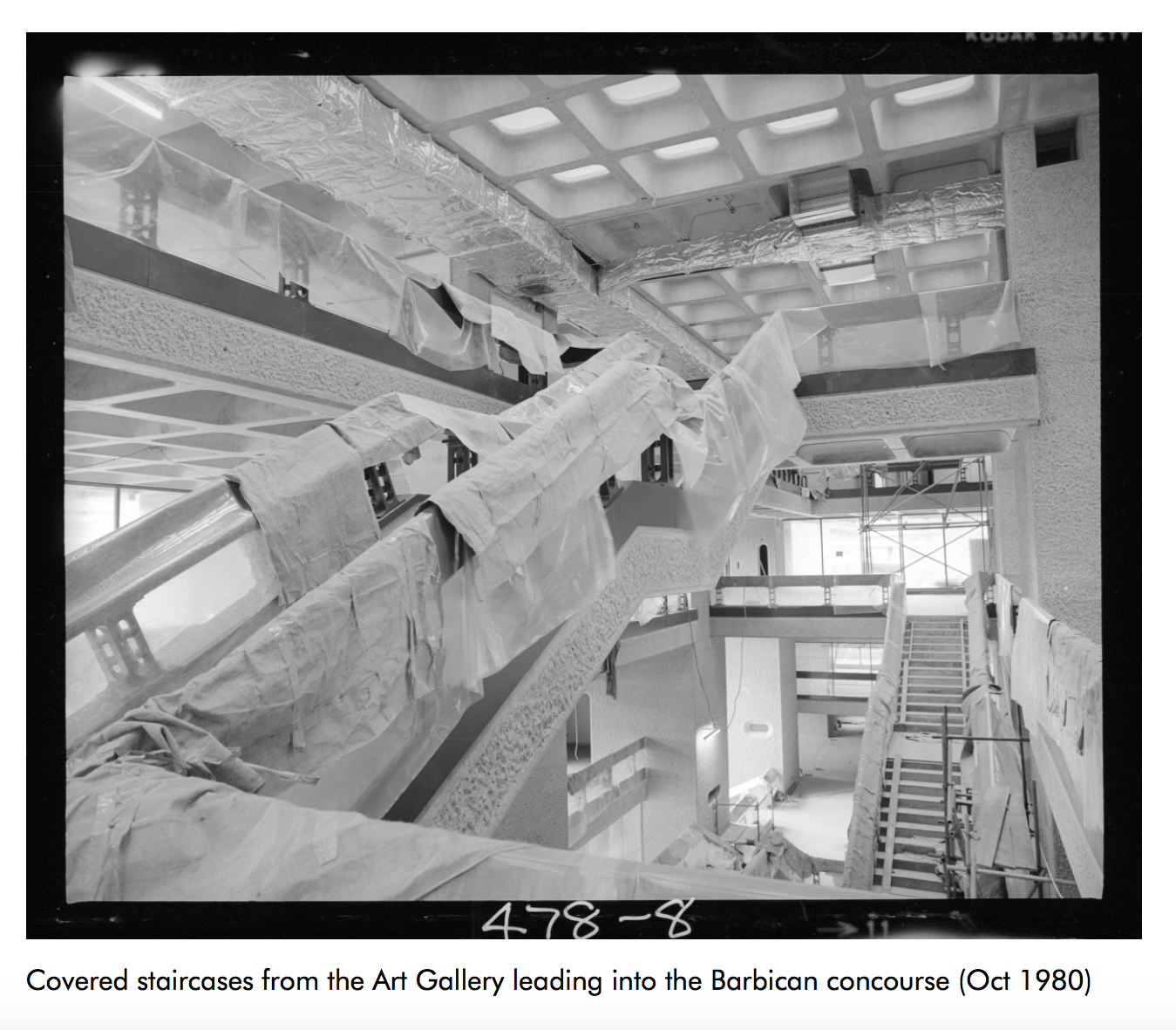
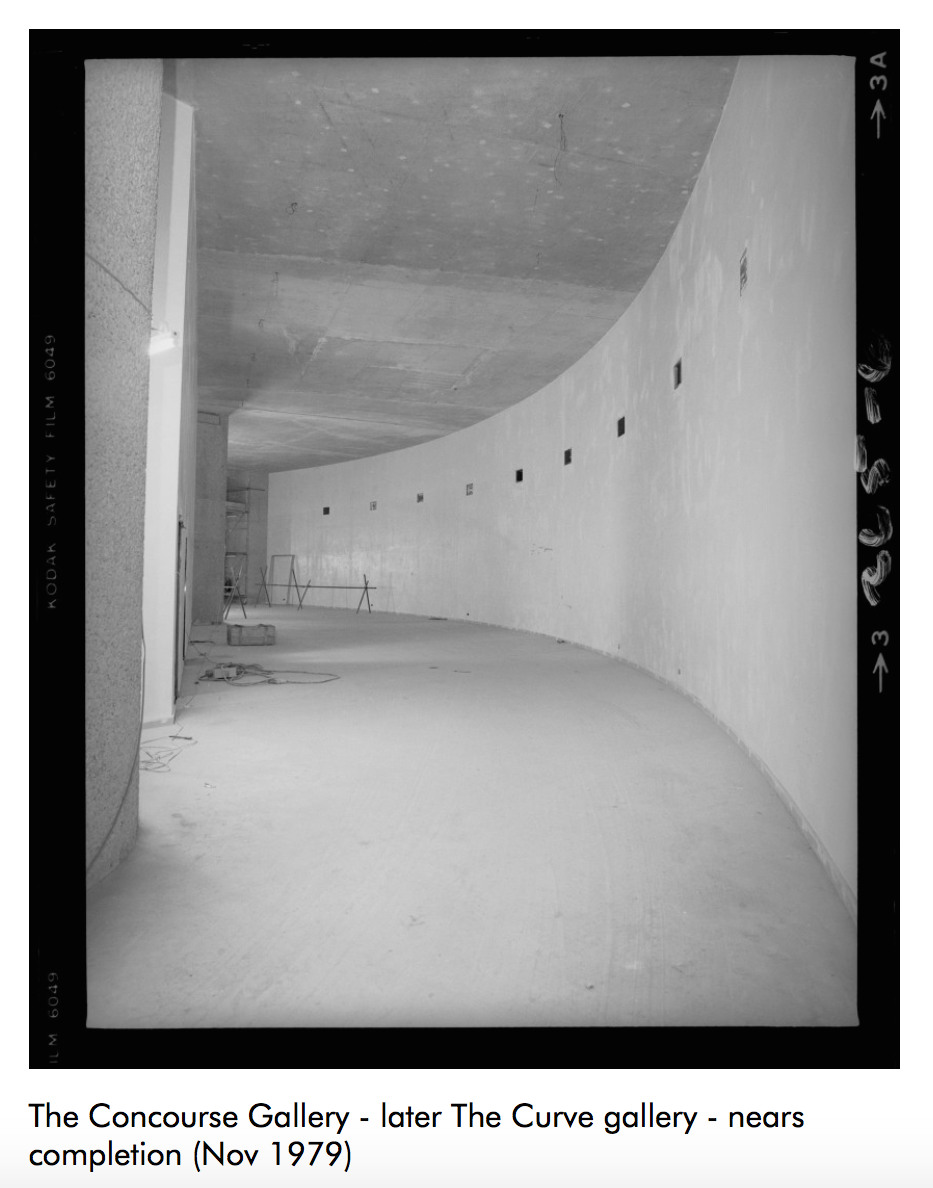
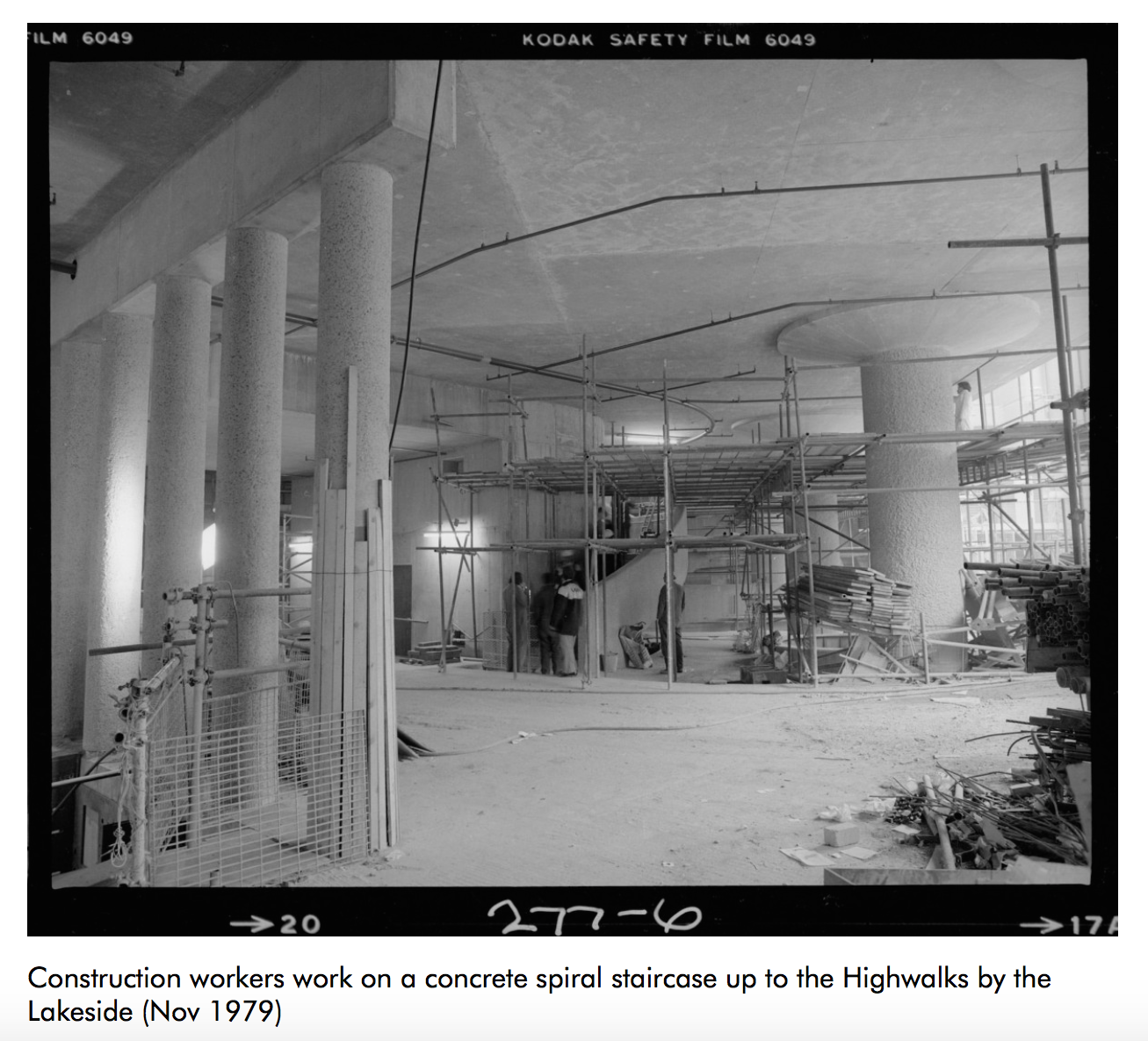
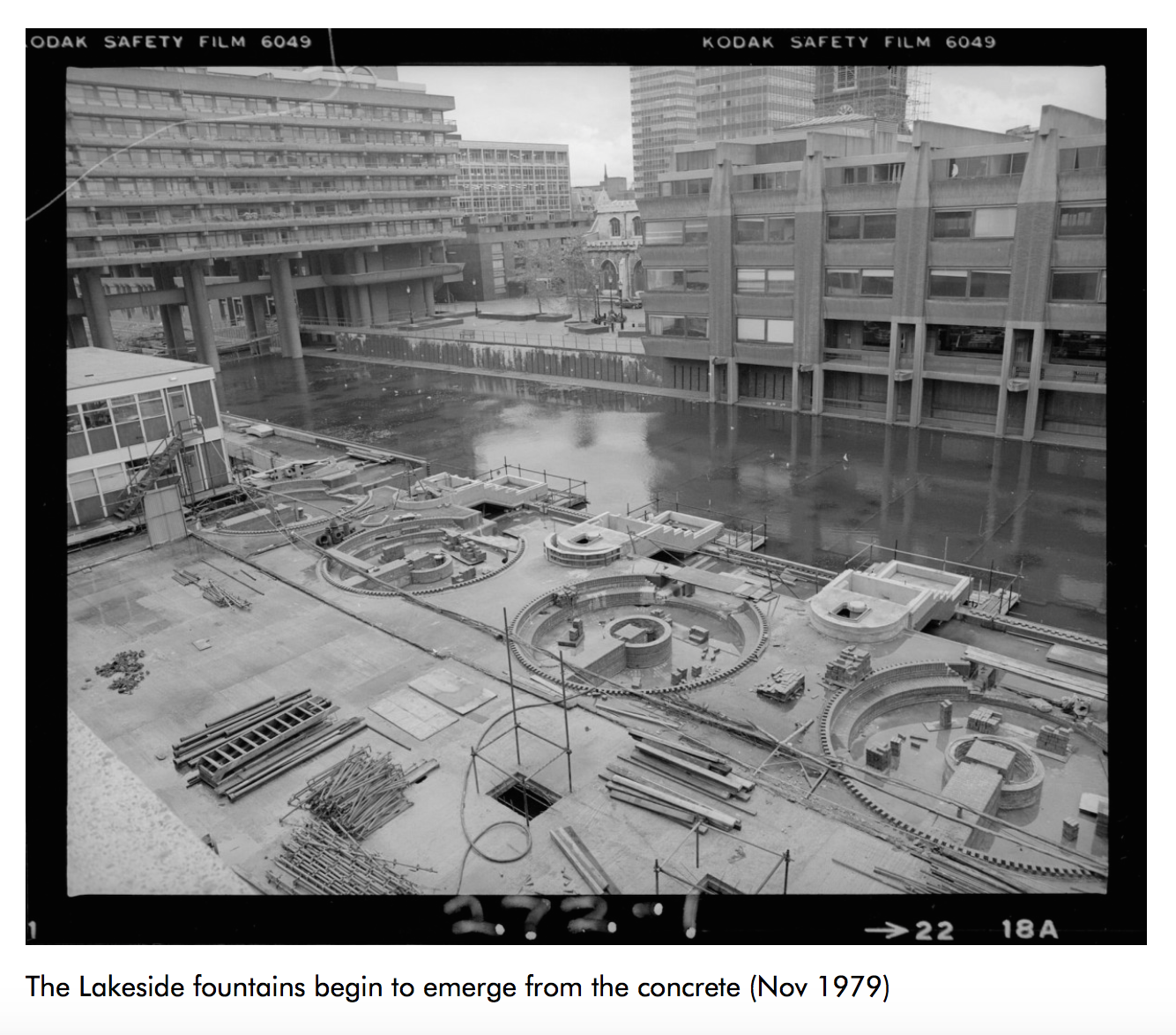
Building the Brutal, a newly launched website and book, showcases never-before-seen photographs of the final construction of one of the most iconic brutalist buildings in the country. Photographer Peter Bloomfield was commissioned by Henry Wrong - the first Managing Director of the Barbican Centre - to photograph the completion of the Barbican and has recently gifted his entire collection of over 1,400 negatives to the arts centre.
The rediscovered archive reveals the ambition and scale of the construction of what The Queen called 'one of the modern wonders of the world'; from trees being craned into the conservatory to the hand-finishing of the structure’s famously textured concrete walls. Also captured are the first events ever held at the centre in 1982 and period stylings of both the interiors and staff.
The book, currently available for pre-sale and published in mid-March, features more than 70 colour and black & white images in addition to a foreword by Jane Allison, Barbican Head of Visual Arts, and a feature on Peter Bloomfield.
Highlights of the website include a section titled 'Then and Now' which allows you to follow the Barbican from its origin to the present day, sliding between Peter Bloomfield's photographs and current photographs by Benjamin Elwyn.
Building the Brutal, published by the Barbican: £15
Microsite: here
Book presale: here
The Hepworth Wakefield Print Fair
We'll be peddling our Modernist wares at the Hepworth Wakefield Print Fair this March 5th. Come along and see us alongside sixty other print purveyors.. not to mention the fabulous Hepworth Gallery and exhibitions.
We will bring along our printed publications about Modernist and Brutalist Architecture, the latest issue of The Modernist Magazine, as well as some back issues in case you missed them, and some of our badges and postcards.
'The Hepworth Wakefield’s popular Print Fair returns in March 2016 with a host of supporting events which celebrate the art of printmaking. Held in The Calder, our converted mill space and featuring over 40 printmakers, collectives and galleries handpicked from around the UK, the fair will provide a friendly atmosphere for both budding collectors and seasoned print enthusiasts to engage with all things print.'
Free entry: The Hepworth Wakefield
Concrete Concept - Brutalist buildings around the world: a special offer...
We've partnered with publishers Quarto to bring a discount/special offer to readers of The Modernist and to members of the Manchester & Sheffield Modernist Societies.
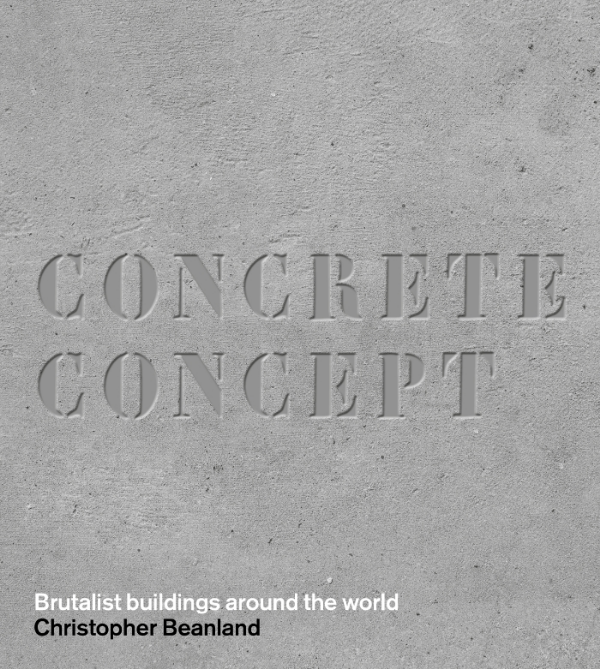
Concrete Concept offers a fully-illustrated global survey of this often divisive architectural style, profiling 50 of its most compelling and distinctive examples across the globe, from Leeds University and Preston Bus Station to Lisbon's Palácio de Justiça. Also included is 'An A-Z of Brutalist Architecture' by Jonathan Meades.
No modern architectural movement has aroused so much awe and so much ire as Brutalism. This global survey profiles 50 brutalist beasts around the world (built between the 1950s to 1970s) demonstrates how Brutalism infected popular culture. This is architecture at its most assertive: compelling, distinctive, sometimes terrifying. But, as Concrete Concept shows, Brutalism can be about love as well as hate.
CHRISTOPHER BEANLAND lives in London and writes about architecture, culture and the arts for newspapers including The Independent, Guardian, Telegraph and various magazines around the world. He's also written two novels.
JONATHAN MEADES is a writer, journalist, essayist, film-maker. His books include three works of fiction - Filthy English, Pompey and The Fowler Family Business - and several anthologies.
To order Concrete Concept by Christopher Beanland for the discounted price of £16, including UK P&P (RRP £20), visit www.quartoknows.com and enter the code CONCRETE02 at checkout. This offer is valid until the 15th February.
On The Road. Again.
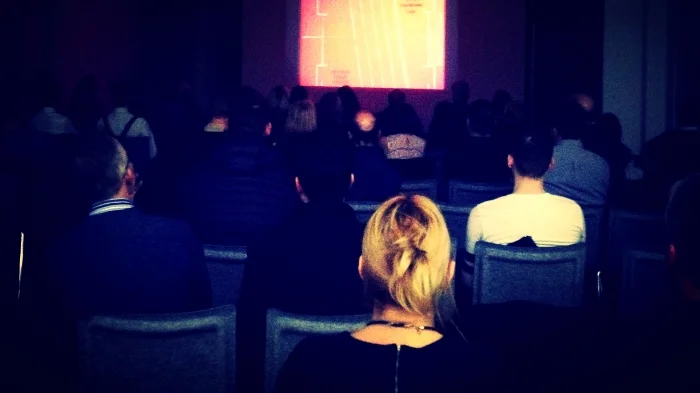
Thursday evening saw another North West Film Archive selection hosted by the Manchester Modernist Society with a selection of films from their extensive collection at Manchester Central Library.
The first film from 1969 entitled Rochdale Blitz was not in fact about the havoc wreaked by the Luftwaffe but an enthusiastic appraisal of the widescale redevelopment of the town centre at the time - where the historic core was 'improved' to make way for new roads, high rise housing and shopping precincts. The plummy tones of the narator were marred by the deteriation of the sound quality over the years but this could not hide the passion for the destruction and redevelopment that was clearly felt to be the right thing to do.
Next we journeyed to 1971 in a film made by the Skelmersdale Development Corporation called Prospect of Skelmersdale - showing the planning and development of the Merseyside overspill town. As a promotional film the tone was inevitably positive, it was also notable for the casual sexism of the time, a shot of 'girly' pictures on the planning office wall being cited as evidence of the humanity of the 'men that desiged Skem'. The film also features in the music video for the song 'Signs' on the appropriately titled album 'Prospect of Skelmersdale" by British band The Magnetic North, which is released later this year.
Finally, a rare 1972 film section from a short lived TV series 'The Succeeders', about successful north west people. This film focussed on Keith Ingham, architect of Preston Bus Station, in which we see him talking about some of his buildings, including his own home, Blackpool Zoo, housing in Stockport and of course Preston Bus Station. It was a unique opportunity to see this rarely seen film and Kieth's groovy selection of polo neck sweaters.
A great chance to delve into the archives and explore the post-war built environment, with thanks to the North West Film Archive.
The Modernist Issue #17 FACTORY
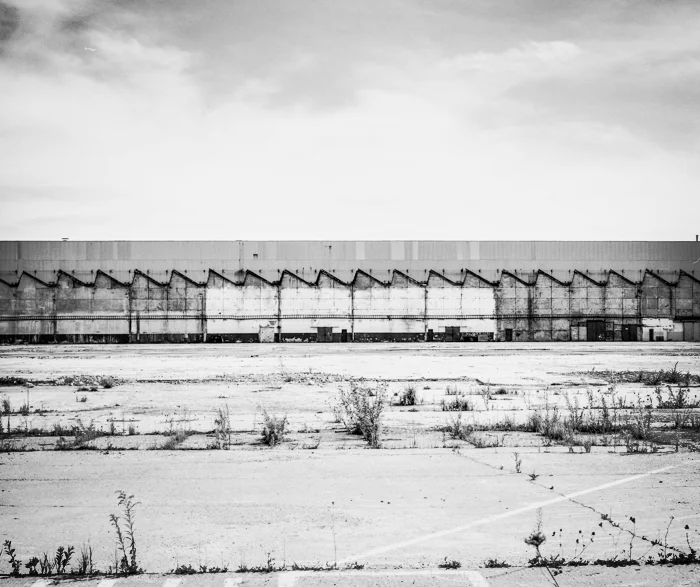
The first issue of our fifth year, the first of four 'F' issues is FACTORY.
“The factory as the site of production holds a special place within modernism; free from embellished façade both within its form and function the factory was a space where technology and invention could truly thrive.
In our Factory issue we explore the architectural manifestations of modernist manufacturing, including the archetypal structures of Albert Kahn, alongside factories for living, industrial design redeveloped as stages for culture and factory standardisation as contemporary computing concept.”
We have the great Albert Kahn, German Expressionism of the 1920s and cigarettes in British midlands, so pull on your steel capped boots and join us on the production line, we're on the late shift..
You can buy single issues or subscribe online.
The Modernist Issue #16 EXPERIMENT
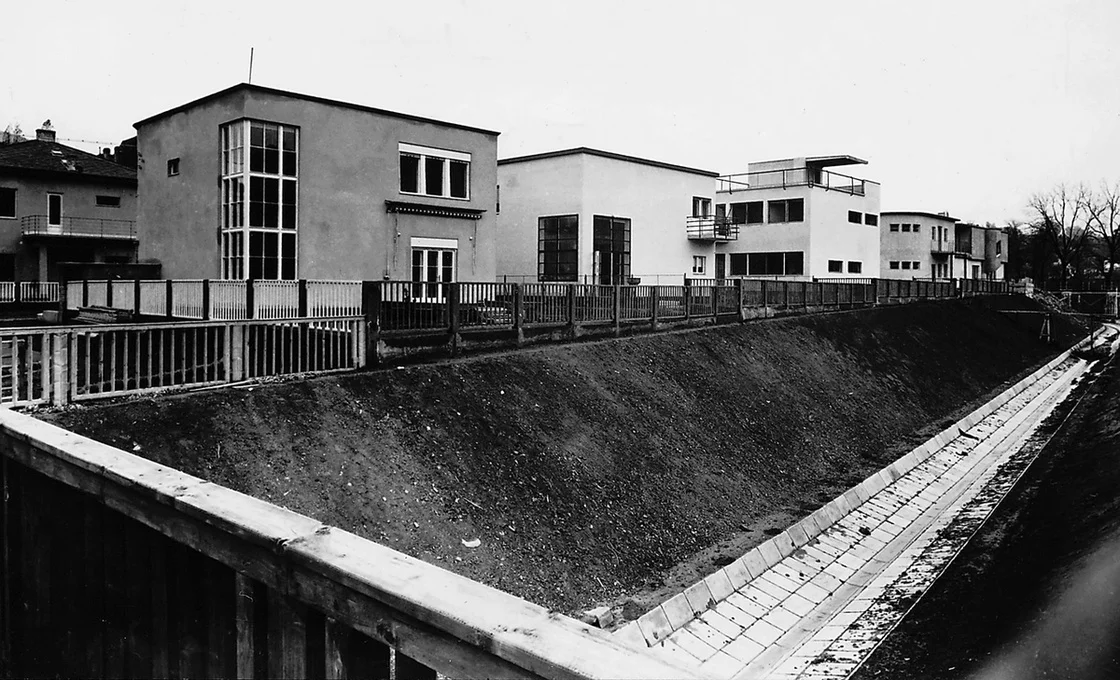
Well, we're a little late this quarter.. sometimes things happen that you just can't control but better late than never, here comes EXPERIMENT.
We've had EXPO, ENGINEER and ENTERTAINMENT and EXPERIMENT is issue #16 of the Modernist Magazine, we can't believe we are on the last of our of 'E' series already.
In rejecting the styles and conventions of the past, experimentation and the search for the new was at the heart of modernism. With this spirit of innovation and the permission to try again fail again fail better, came new forms of architecture for changing communities along with unique visions of ours and other worlds, through cinema screens, record players and a seminal radio telescope.
We have Hungarian housing estates, Argentinian chairs, Futuro houses, anechoic chambers, David Bowie and Jean Luc Goddard.. blimey, its going to to be good.
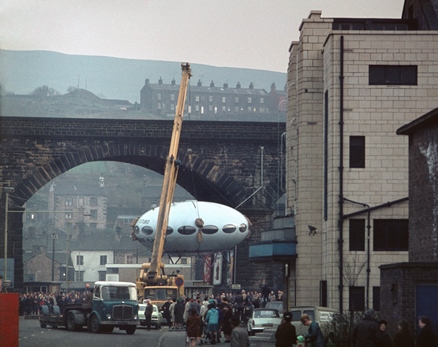
You can buy single issues or subscribe online.
Eins Eins Eins
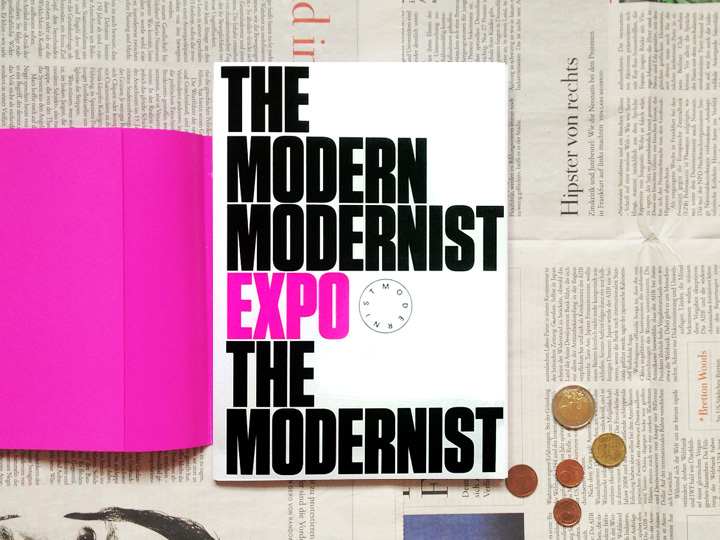
Heres a review of our EXPO issue from the good folk at Eins Eins Eins
THE MODERNIST
THE MODERNIST magazine is devoted entirely to 20th century design and architecture. Each quarterly issue is dedicated to a specific topic. The following are the issues since the first edition in 2011: #1 BOLD, #2 BRILLIANT, #3 BOOM & BUST, #4 BRUTAL, #5 CAMPUS, #6 CUPPA, #7 CAPITAL, #8 CARRIED AWAY, #9 DINKY, #10 DICTATOR, #11 DOMESTIK, #12 DEPARTED, #13 EXPO.
Regarding to these titles it becomes obvious that THE MODERNIST is about the minutiae and diverse points of view and opinions about both well known and relatively less well known topics that the reader may not ever have known or considered from different angles. On the occasion of the upcoming EXPO in Milan, the current issue #13 EXPO (followed by #14 ENGINEER), looks back at the previous world fairs of the 20th century. The world fair is not only a stage and rendezvous point for different countries across the world, but also a gigantic design and architecture exhibition. Although the exhibitions are showcases of the profiled countries, they are also partly a reflection of the world fair itself, which with its utopian, unique look, conjures a world that does not exist in reality.
Among others, #13 reports on EXPO 67 in Montreal. It spotlights the British Pavilion, designed by the Scottish architect Basil Spence. It also covers Mies van der Rohe’s Pavilions in Barcelona in 1929 and 1968. In addition, issue #13 also includes photographs of EXPO 64 in Switzerland that were serendipitously discovered at a flea market. The photographs are spontaneous snapshots of EXPO 64 in Switzerland and enable us to see the EXPO as experienced by a visitor.
THE MODERNIST comes in a handy size and each issue is thoughtfully designed to fit the content of the magazine. With each issue the reader can take joy in a special wealth of knowledge that a selective pool of contributors have assembled. We are pleased to offer THE MODERNIST a place in our webarchive and magazine shelves at home.
The best of British: The Modernist reviewed
Monocle Radio's regular feature on print and publishing recently took a look through the best of British with Anthony Teasdale, the editor of new Blighty-centric title 'Umbrella', and media commentator Rik Moran. They talked about The Modernist.
To listen to the full programme, click here.
Subscribe and receive each quarterly issue at a reduced price.
adventures...
Its a travel magazine of sorts.. Out now.
the shop
In our online shop you can buy back issues as well as our other publications and some other of Modernist goodies.. have a look.
fresh tweets
new events


Commodo cursus magna, vel scelerisque nisl consectetur et. Donec id elit non mi porta gravida at eget metus.