
Johnson Publishing Company HQ
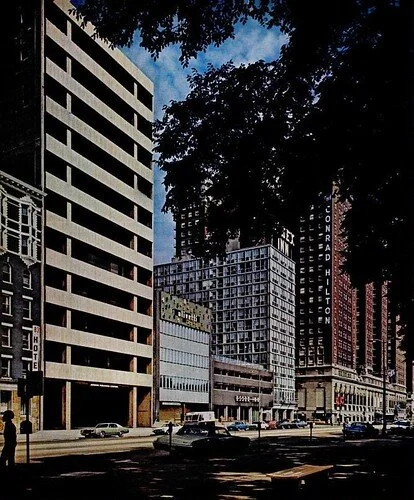
The Johnson Publishing Company was founded in 1942 in Chicago, Illinois by John H Johnson (b. Arkansas, 1918) with the publication of Negro Digest. Based on the popular Readers Digest, the publication was aimed directly at the African-American market, gaining 50,000 subscribers within its inaugural year.
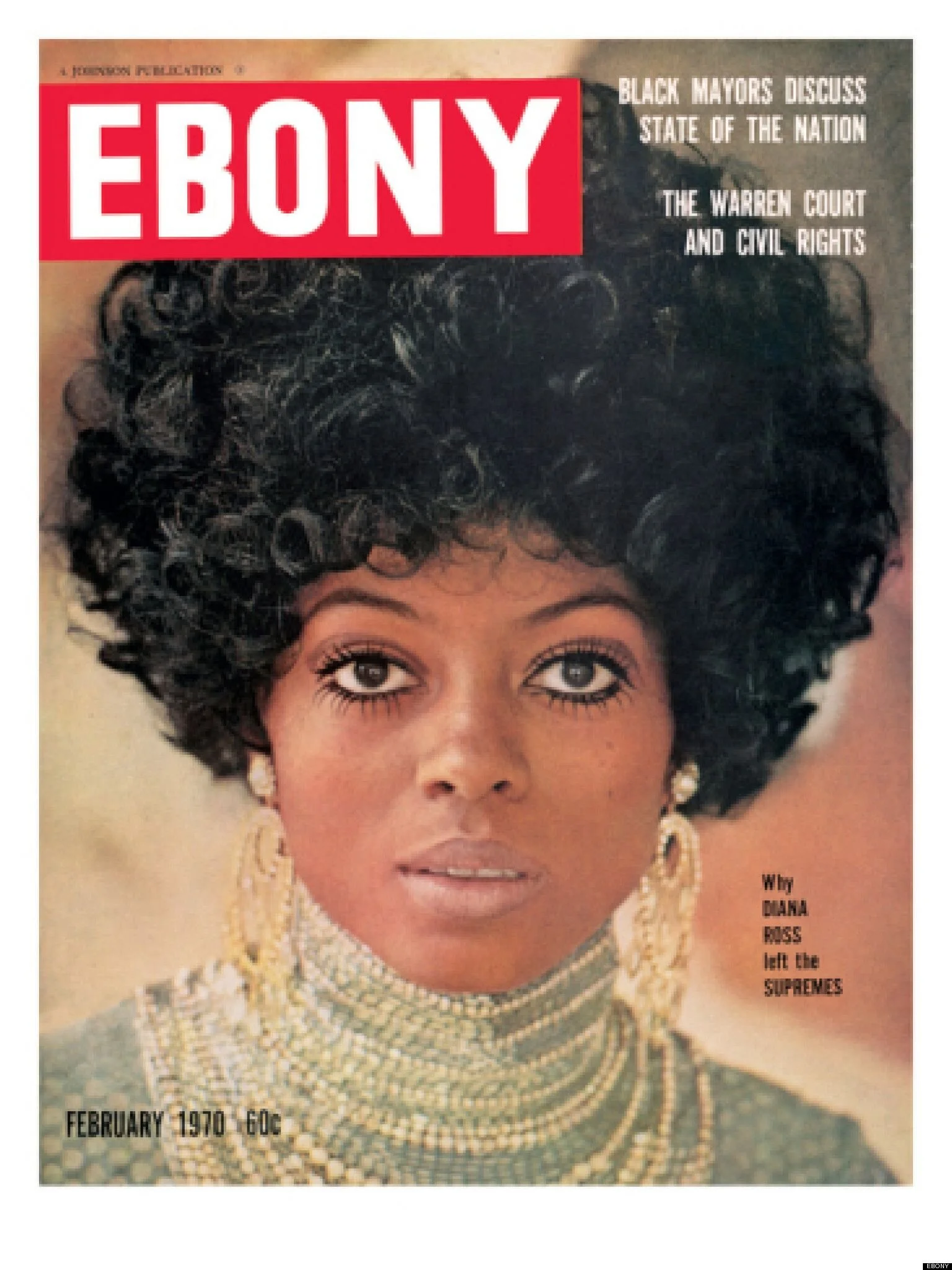
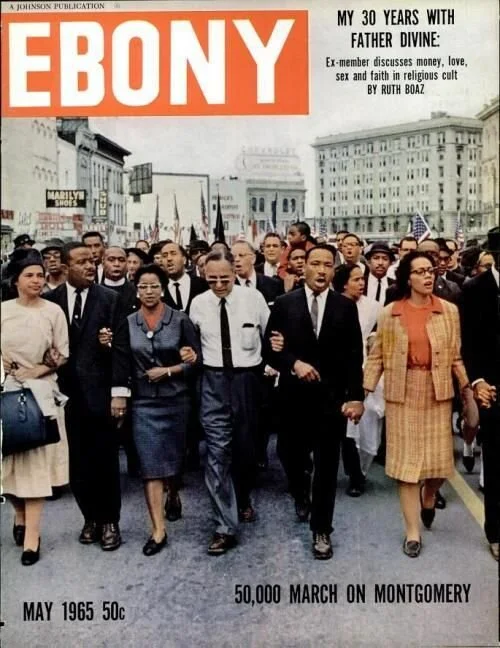
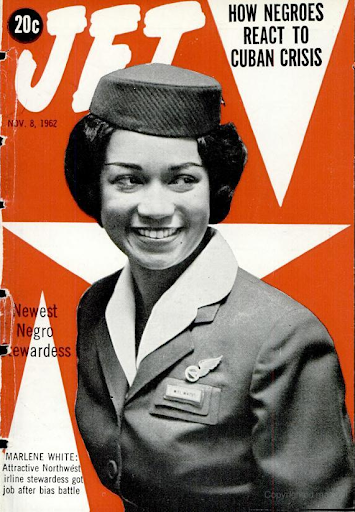
Ebony magazine was launched by Johnson soon after in 1945, setting out to address and celebrate African-American issues, culture and achievements and quickly growing to a circulation of 1.5 million, thus becoming Johnson’s flagship publication. In 1951 a weekly magazine, Jet, was launched aimed at a more populist African-American audience with a focus on news, culture and entertainment, as well as chronicling the Civil Rights Movement from its earliest years, including the murder of Emmett Till, the Montgomery bus boycott and the activities of Martin Luther King Jr. Alongside Ebony, Jet put Johnson Publishing Company on the path to becoming America’s most successful African-American owned company.

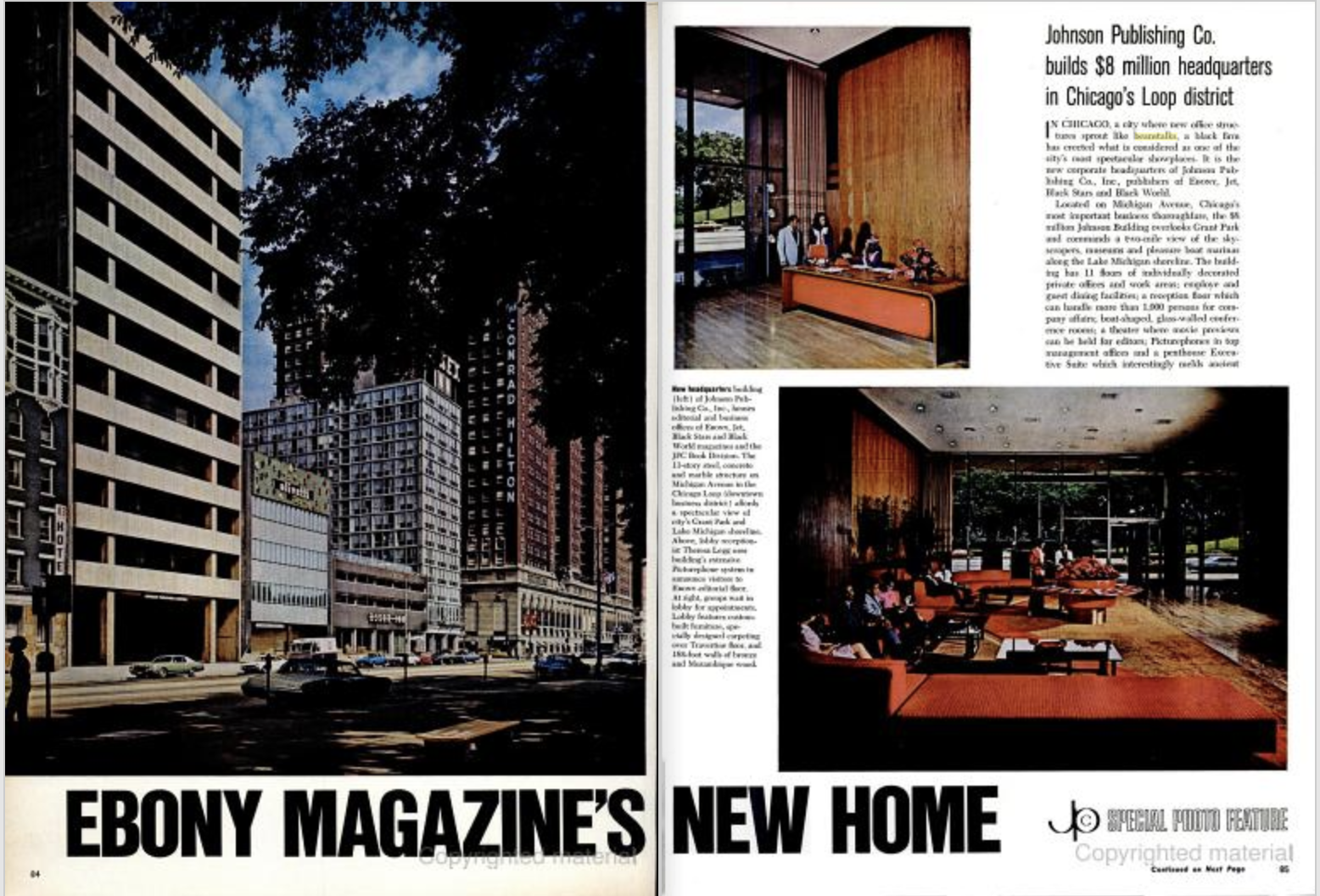
Such was the success of the company that in 1971 Johnson Publishing was able to move into a bespoke new office building at 820 S. Michigan Avenue in Chicago. Designed by the African-American architect John Moutoussamy (who studied under Mies van de Rohe at Chicago’s IIT College of Architecture) the exterior is a restrained and subtle modernist 11 storey office block. The site was the first African-American owned building in Chicago's downtown area and remains the only Chicago high-rise to be designed by an African-American.
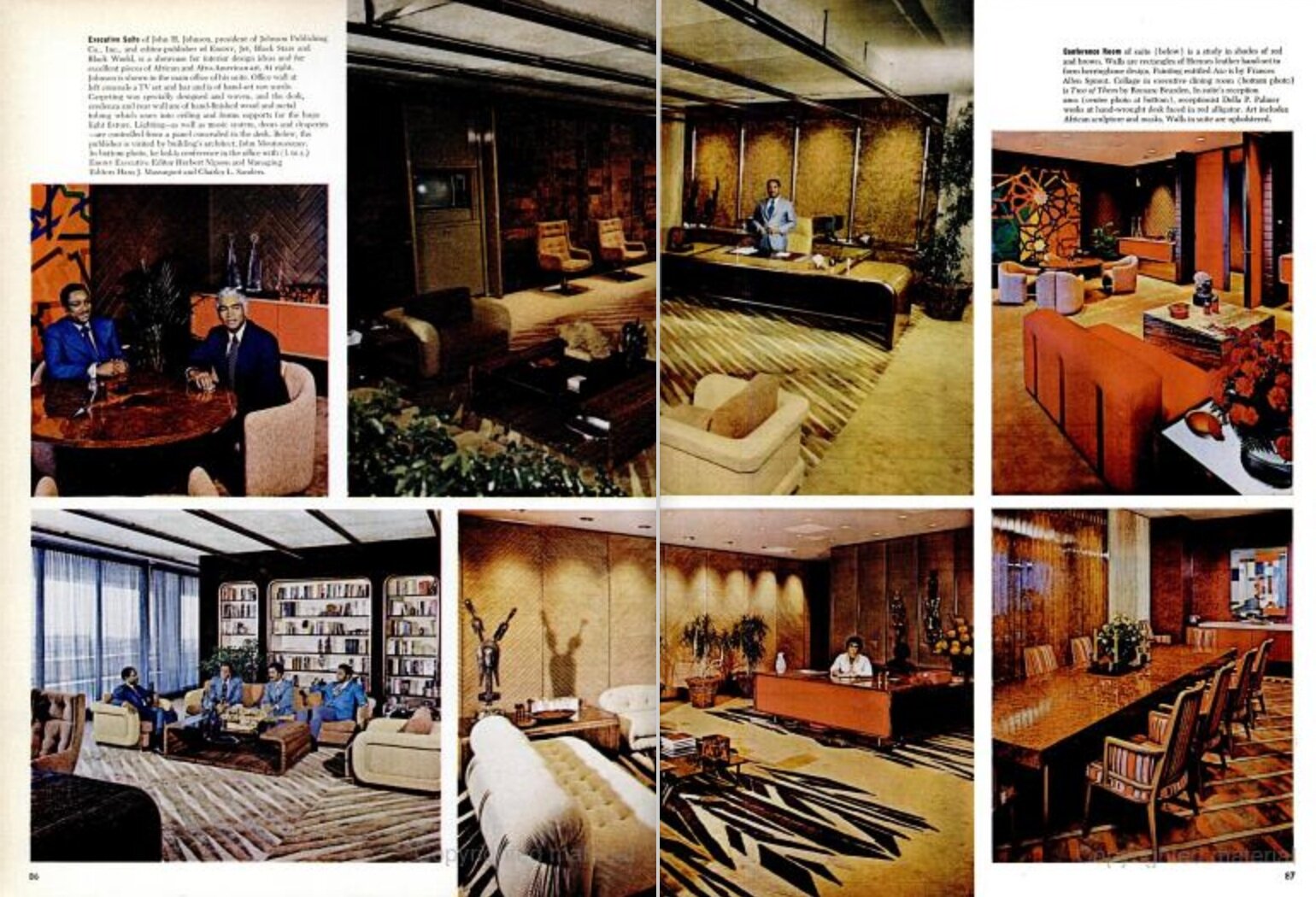
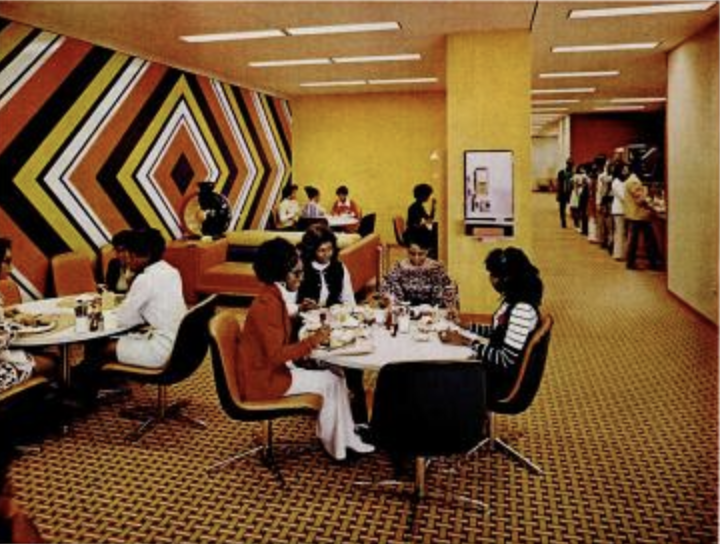
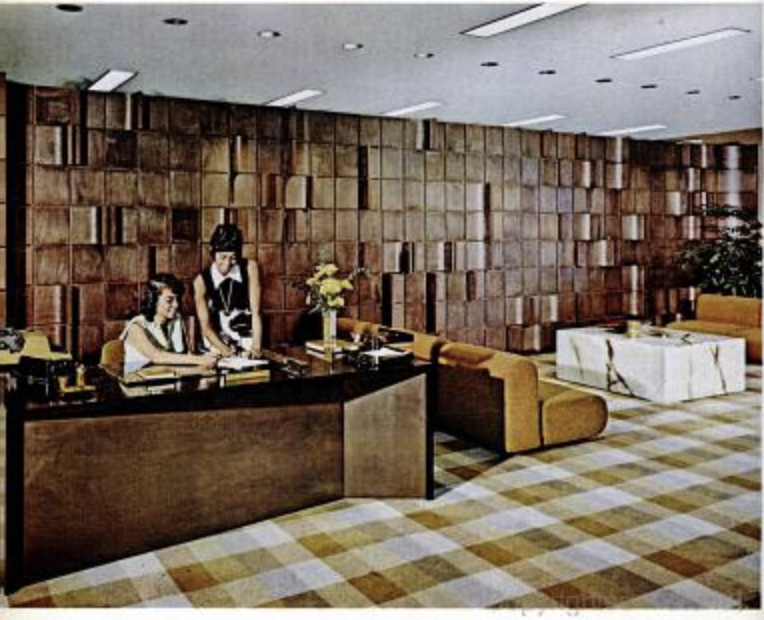
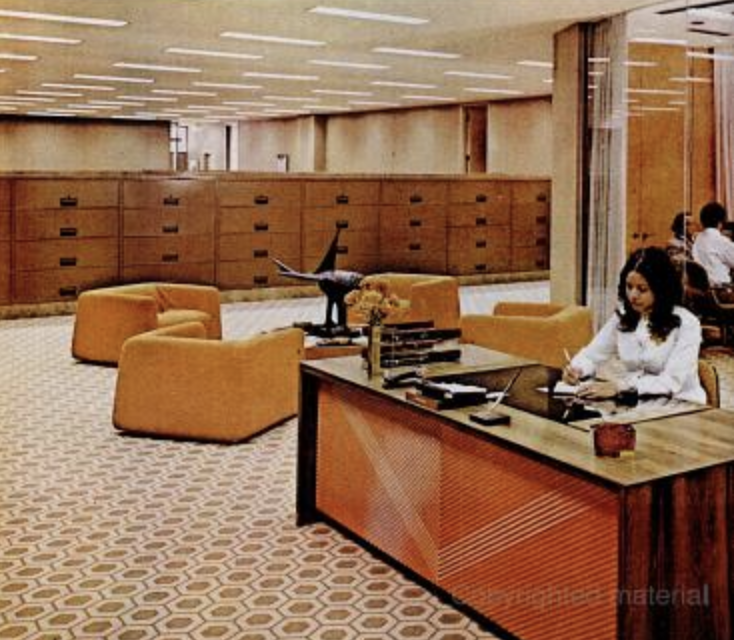
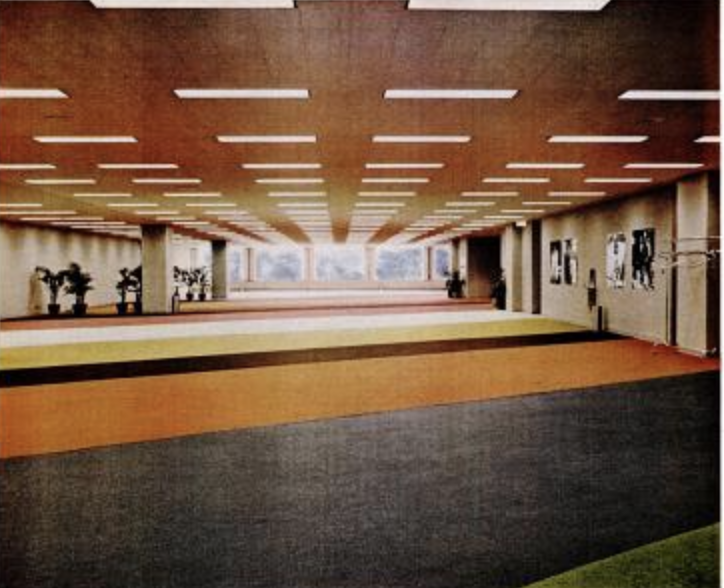
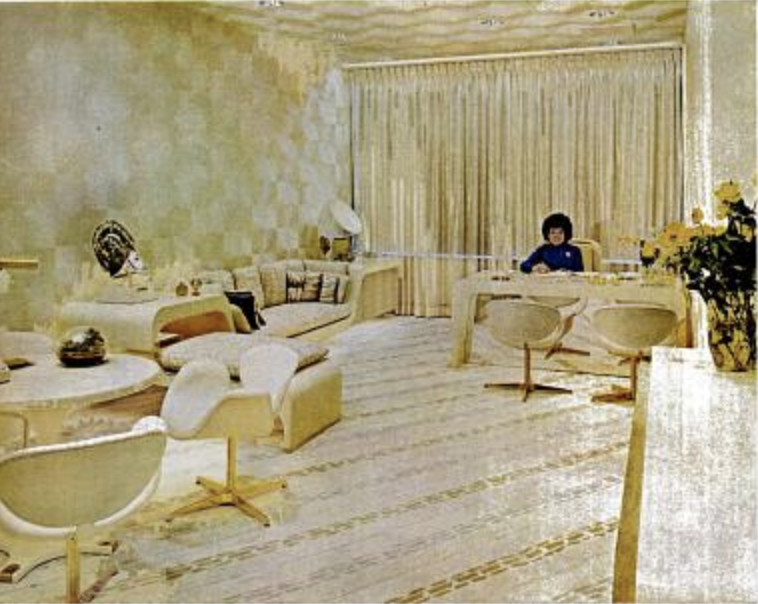
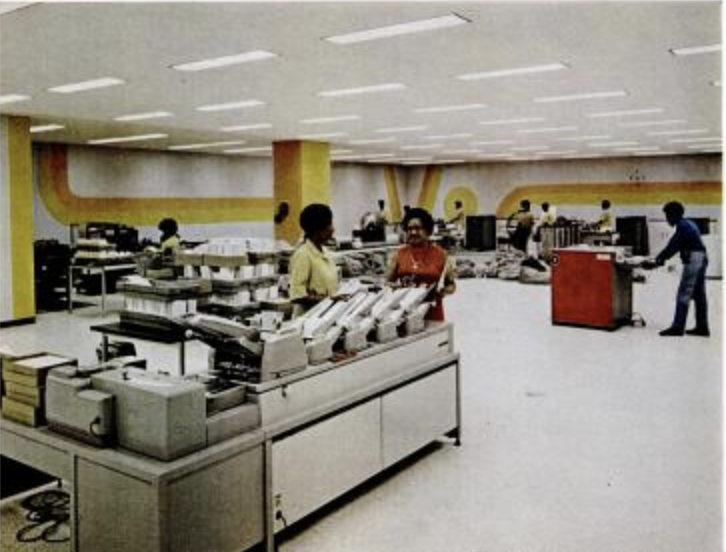
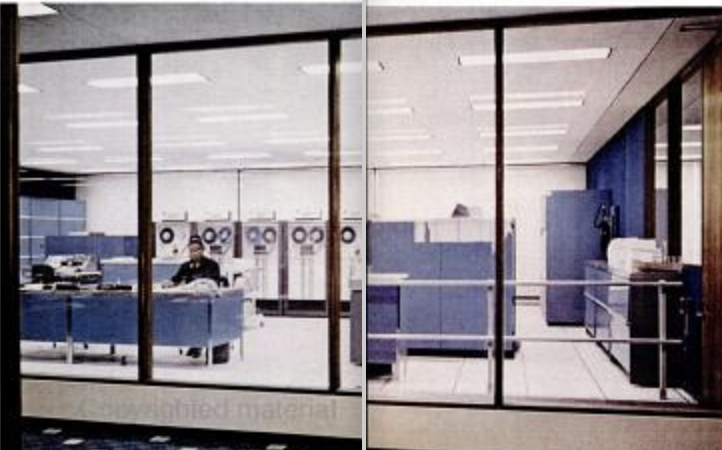
The Johnson Publishing interiors, however, were anything but restrained. Designed by William Raiser and Arthur Elrod, they were as flamboyant and vivid as Elrod’s own house* and capture perfectly the mood of the time. *If the name Elrod name rings a bell you may know it from his own house, The Elrod House, designed by John Lautner and which featured in the James Bond film Diamonds Are Forever.
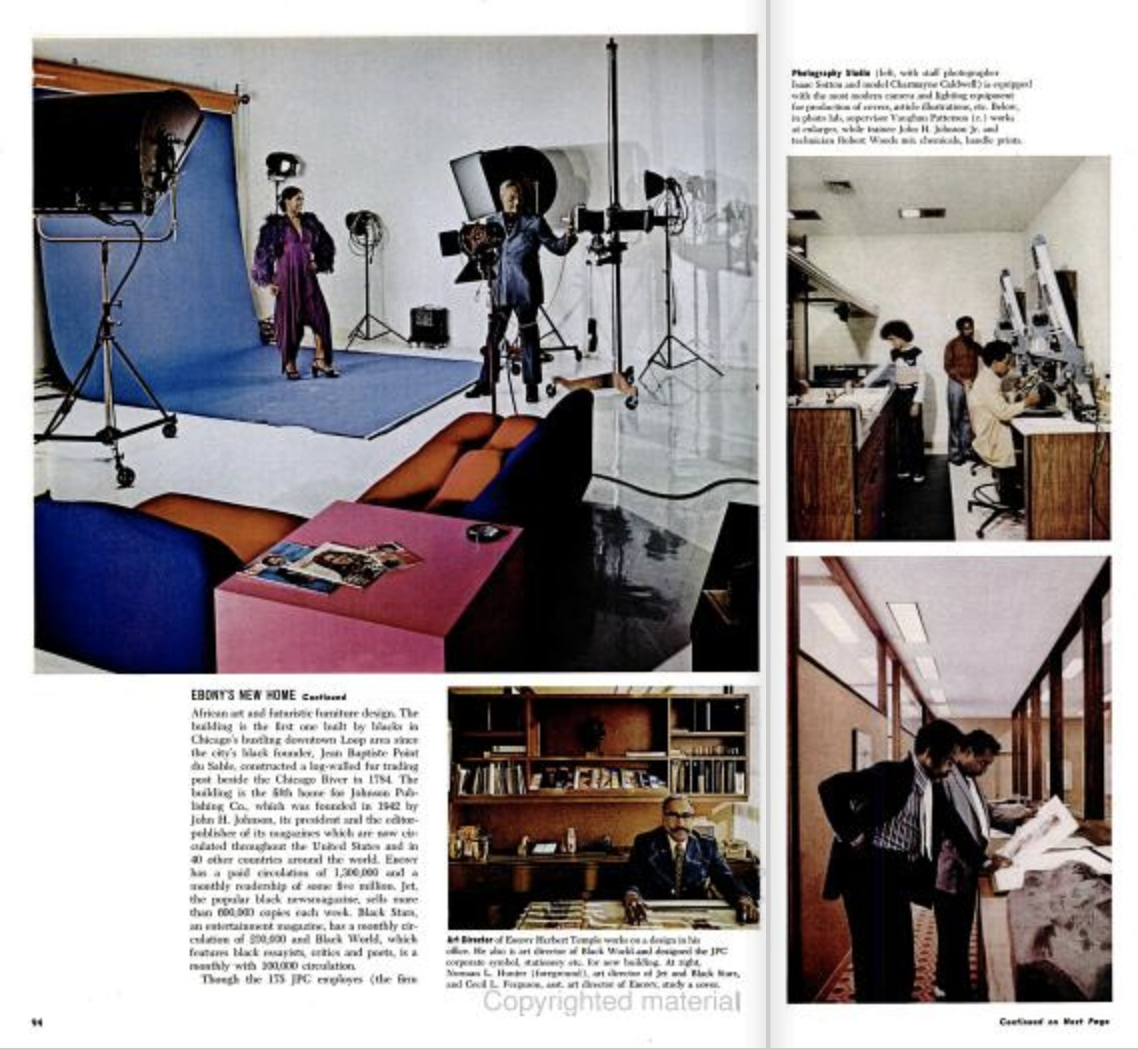
Luckily for us, Ebony magazine featured an extensive photo story of their new headquarters in a 1972 edition of the magazine and we have featured some of the images displaying their fantastic interiors below. Johnson himself never saw the need to ‘renovate’ or update the interiors so they remained pretty much intact and well-maintained until JPC finally left the building in 2010 following a period of decline after the founder’s death in 2005. The Johnson Publishing Company filed for bankruptcy in 2018, with a group of arts and educational foundations currently working to secure a home for the archives.
The building was converted to apartments in 2017 and although some original features were retained, most of the untouched office space was lost. However the foyer remains as it was, and the legendary Ebony Test Kitchen (see bottom image) was removed and donated to the New York Museum of Food and Drink.
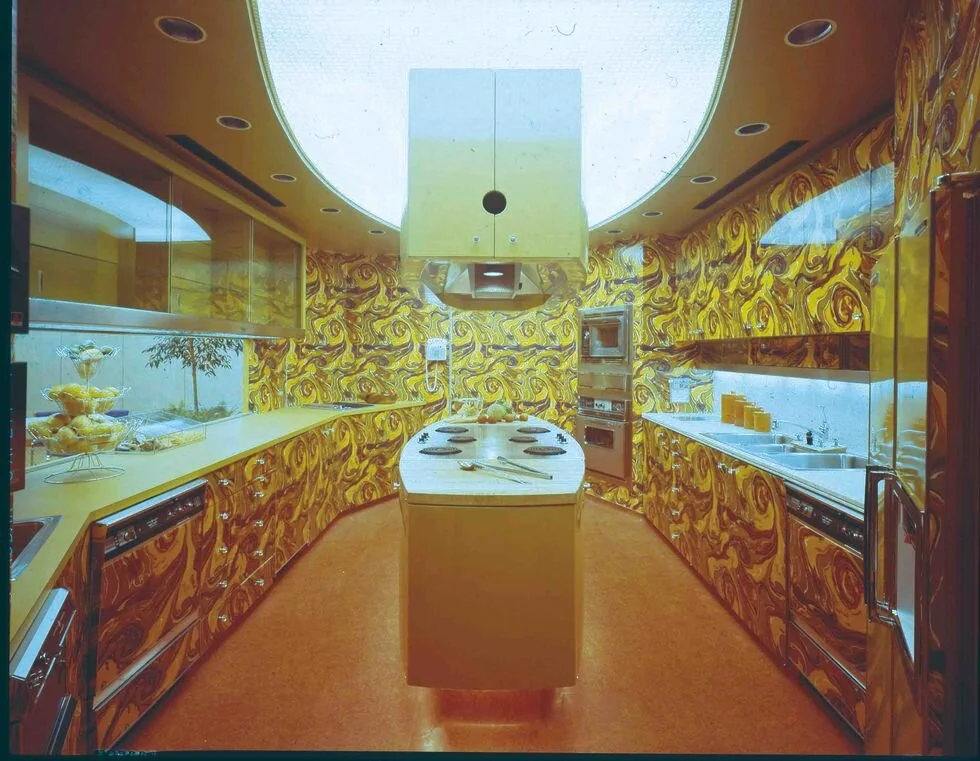
The Ebony Test Kitchen - removed intact and now in the New York Museum of Food and Drink